The Thermal Battlefield in the Age of Extreme Computing
COMPUTEX 2026 was not merely another annual showcase for the latest PC hardware or a stage for unveiling new generations of processors and graphics cards. This year, the exhibition evolved into something far more significant: a battleground where engineering teams from across the industry confronted one of modern computing’s most persistent challenges heat.
As power consumption in flagship CPUs and GPUs continues to climb to unprecedented levels, thermal management has become one of the defining factors behind performance, stability, and long-term reliability. Every new leap in computing power brings increasingly complex thermal challenges, and every new silicon generation pushes conventional cooling technologies closer to the limits imposed by physics itself.
At the center of this landscape stands Thermal Grizzly, a company that has spent years building a reputation among enthusiasts, overclockers, and professional users as one of the industry’s most respected names in thermal interface materials and cooling solutions. Yet what we witnessed inside the company’s booth at COMPUTEX 2026 suggested something far more ambitious than another thermal paste launch or a routine product refresh.
It became immediately clear that the German company, led by renowned engineer Roman Hartung, better known worldwide as der8auer, is actively redefining its place within the industry. For years, Roman has been one of the most influential figures in the enthusiast hardware community, earning recognition through extensive overclocking research, deep engineering analyses, and detailed investigations into CPUs, GPUs, and cooling technologies. Today, he also plays a key role in shaping Thermal Grizzly’s future direction.
Based on what the company showcased during this year’s event, Thermal Grizzly no longer sees itself simply as a manufacturer of thermal compounds and supporting accessories. Instead, it is positioning itself as a developer of complete thermal ecosystems.
The philosophy behind many of its latest products is not centered around larger radiators or faster pumps alone. Rather, it focuses on improving the entire thermal chain from the moment heat leaves the silicon die to the point where it is transferred into a cooling medium.
The message coming from the booth was remarkably clear: future performance will not be defined solely by the power of a processor or graphics card, but by the ability of the entire system to manage energy and heat more efficiently.
That philosophy explains why Thermal Grizzly is expanding beyond thermal compounds into water blocks, cooling fans, power monitoring systems, and advanced materials research. The company appears determined to build a complete thermal ecosystem capable of supporting the next generation of high-performance computing.
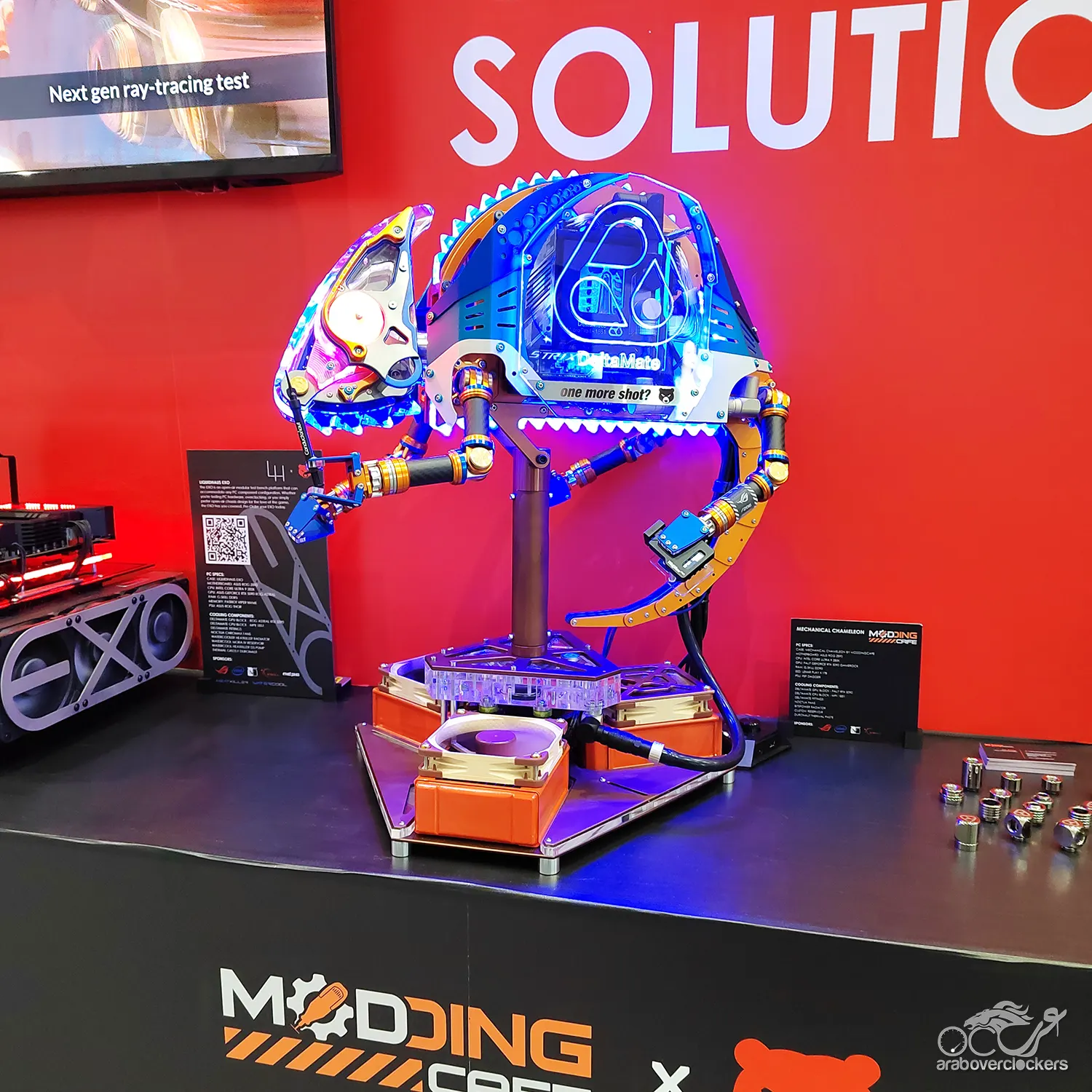
Inside the World of Thermal Engineering: A Tour of the Thermal Grizzly Booth
From the moment we stepped into the Thermal Grizzly booth at COMPUTEX 2026, it was obvious that the company had taken a different approach from many of its peers on the show floor.
While some exhibitors focused heavily on finished products, RGB lighting, and visual presentation, Thermal Grizzly presented itself more like an open engineering laboratory than a traditional hardware vendor.
Glass displays were not merely filled with retail packaging. Instead, they showcased materials, manufacturing processes, thermal transfer mechanisms, and the engineering challenges the company is attempting to solve.
The booth itself was divided into several specialized sections reflecting different areas of development.
Near the entrance, visitors were greeted by the latest additions to the WireView family of power-monitoring solutions, products that have become increasingly relevant as modern graphics cards continue to push power consumption higher and higher.
Adjacent to this area was a dedicated section focused on advanced thermal materials research. Here, Thermal Grizzly showcased projects involving synthetic diamond integration and next-generation surface coatings designed to withstand the long-term effects of liquid metal compounds.
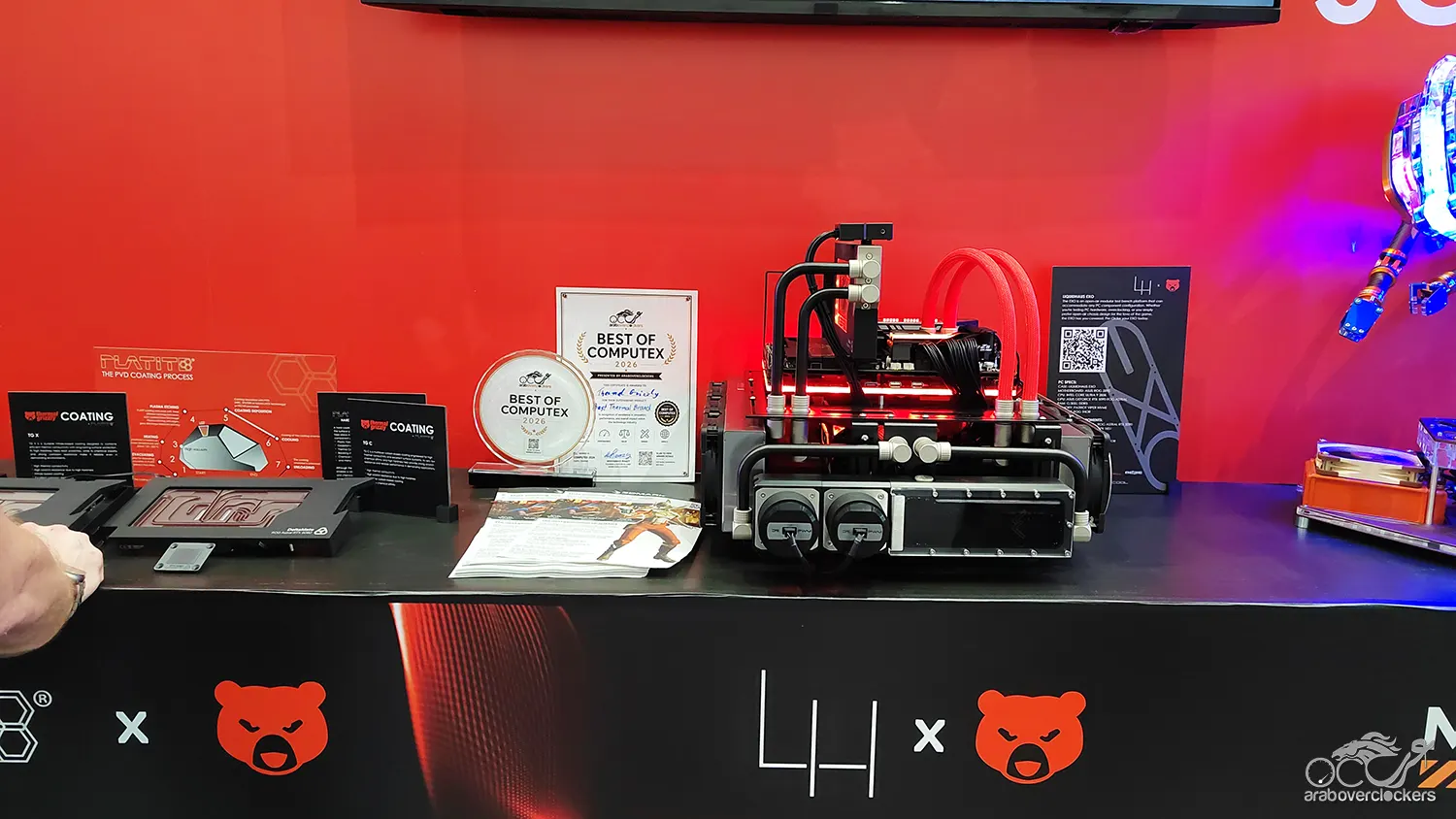
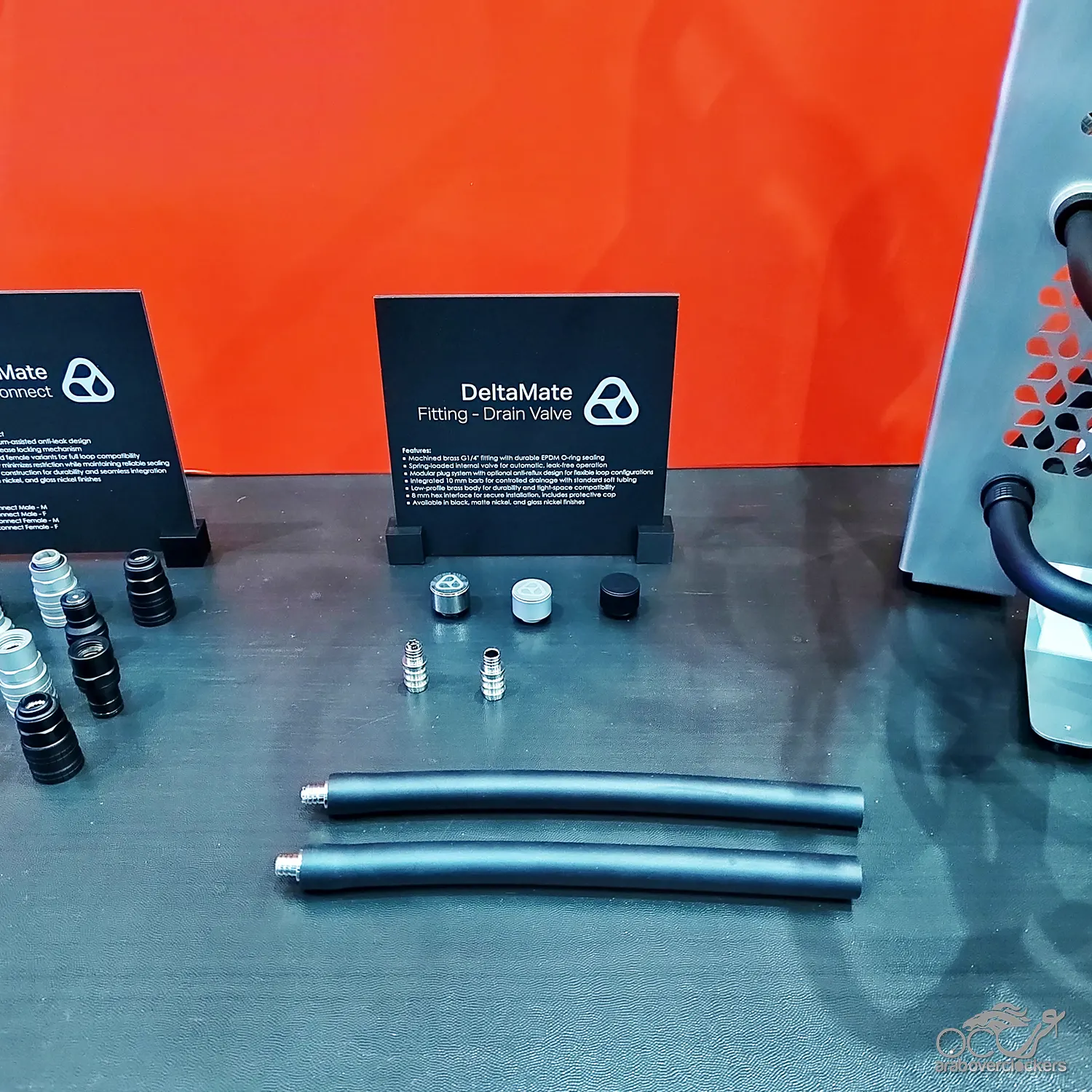
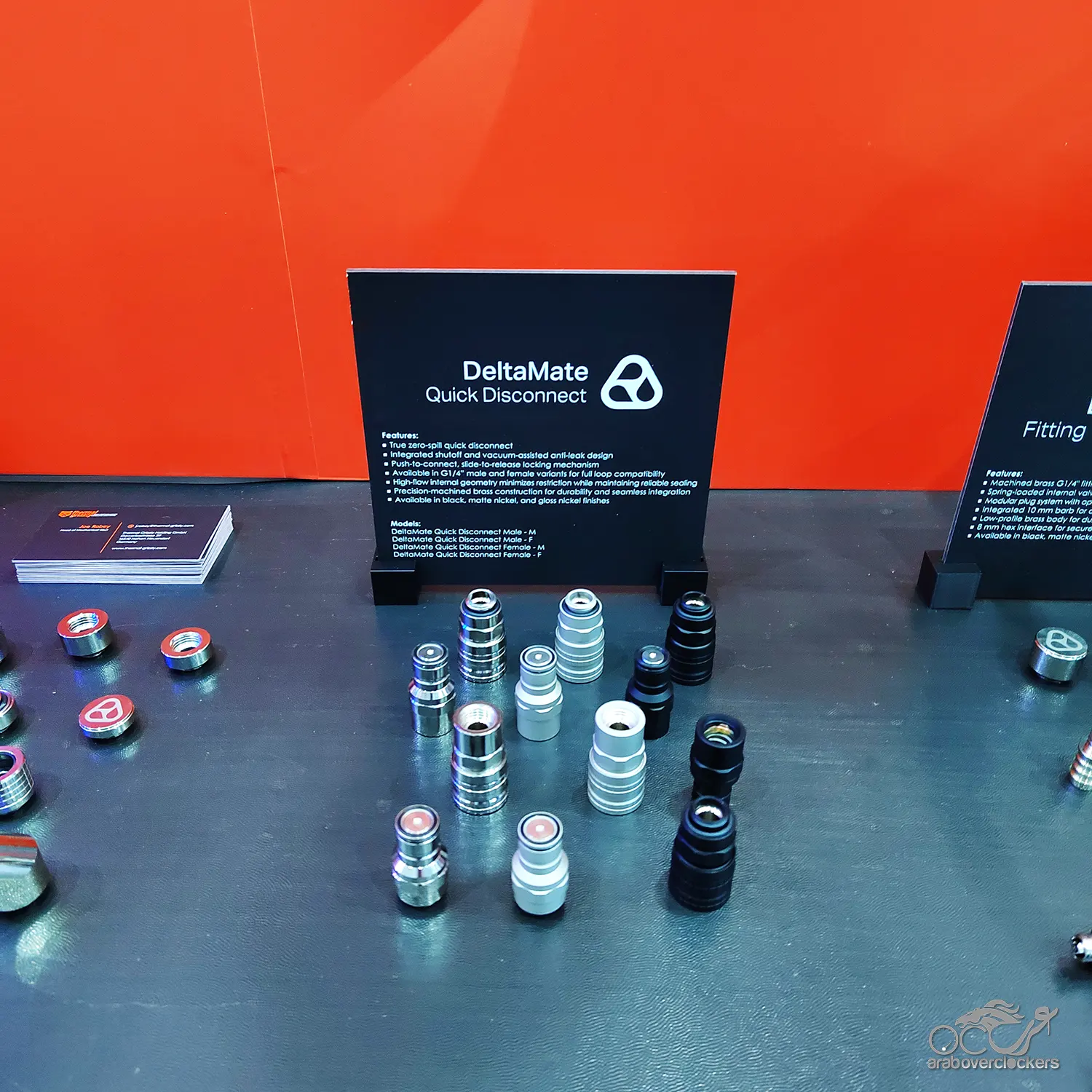
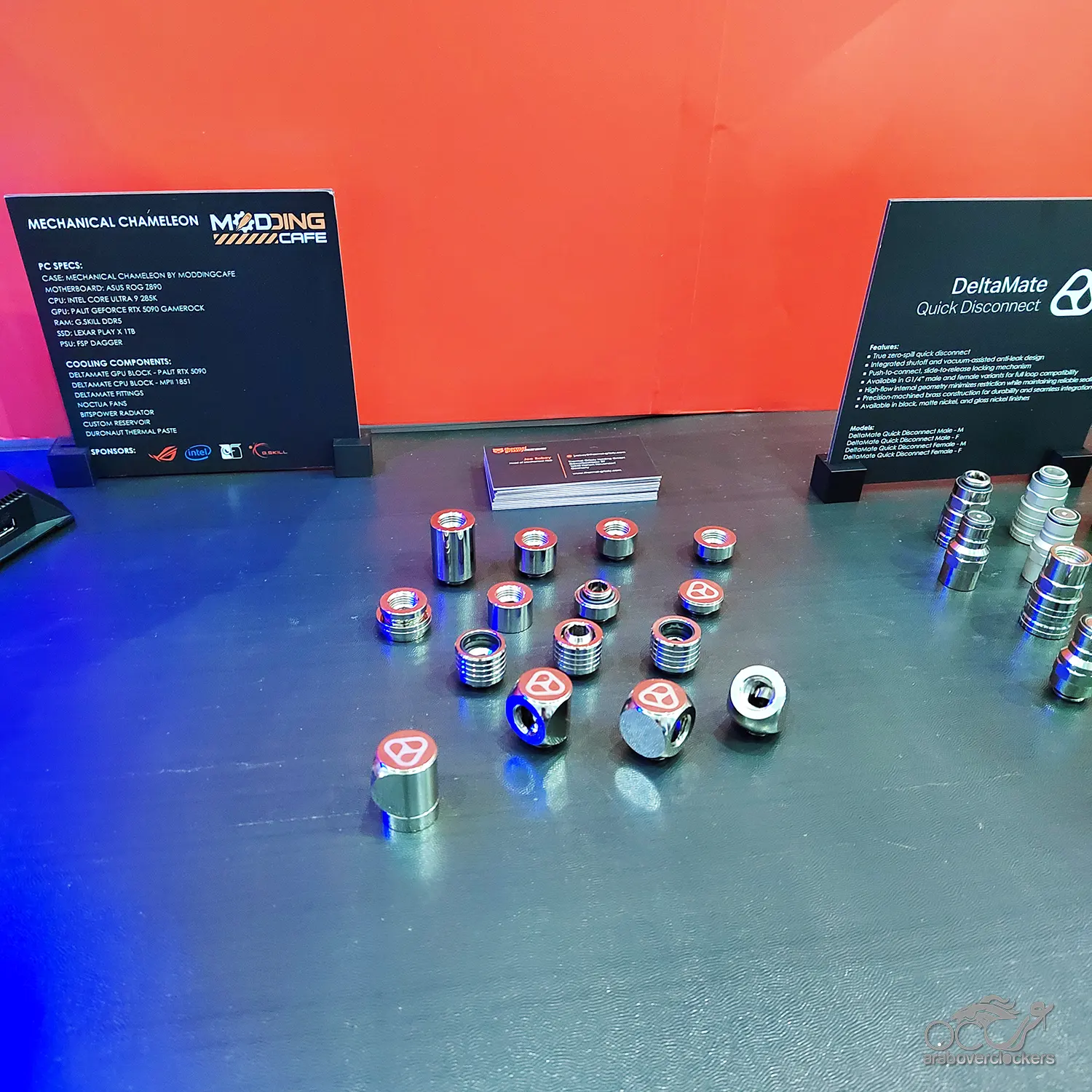
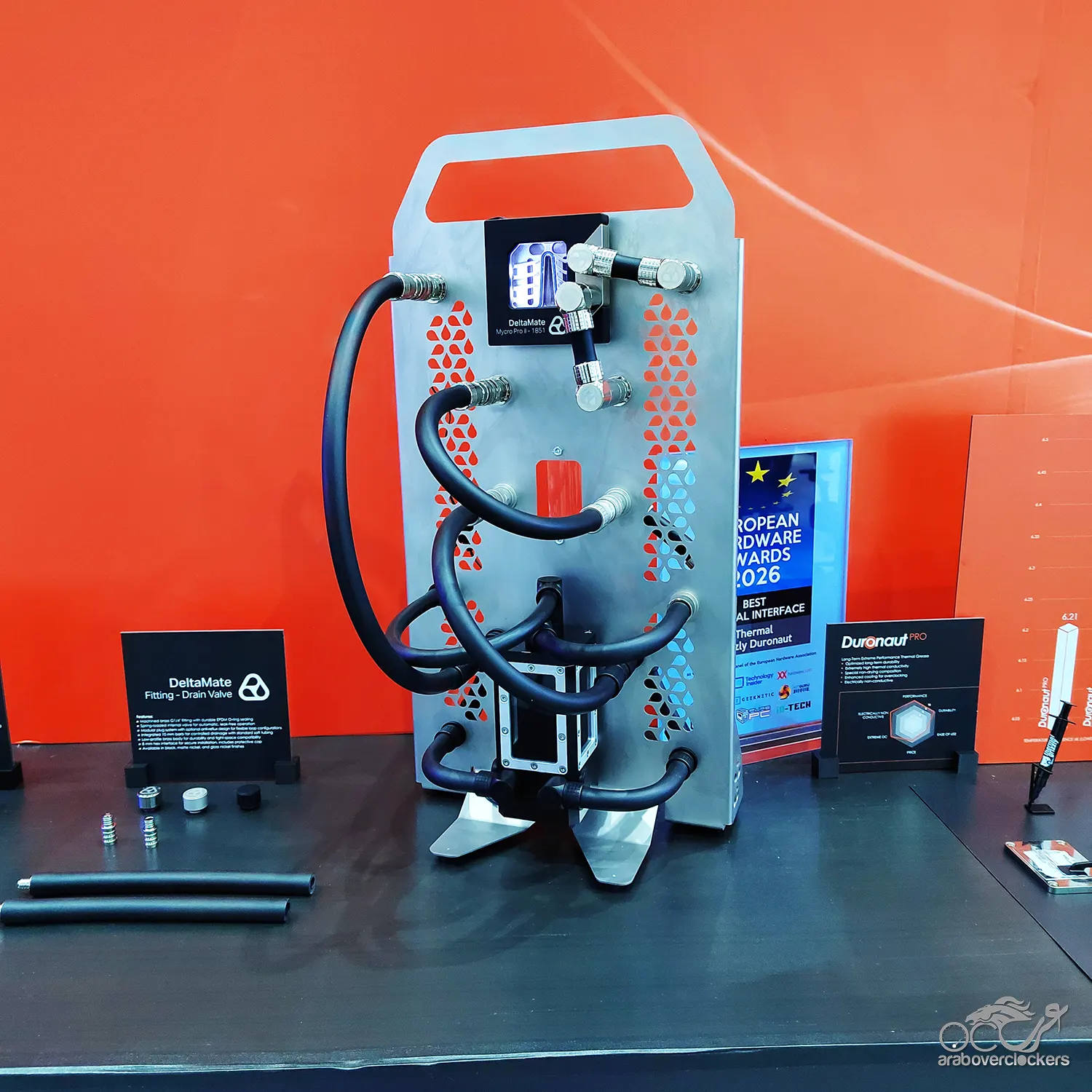
Further into the booth, visitors encountered the new DeltaMate ecosystem, featuring water blocks, cooling fans, and integrated connectivity solutions. Several fully assembled showcase systems demonstrated how these products work together within custom liquid-cooling environments.
One particularly notable aspect of the booth was the nature of the technical presentations themselves. Rather than relying on conventional marketing claims and headline-grabbing performance figures, the company focused on explaining the engineering rationale behind its design decisions.
Cross-sectional models revealed internal product structures. Samples of various coating technologies allowed visitors to examine material differences firsthand. Detailed demonstrations highlighted the thermal challenges associated with transferring heat between different metallic surfaces.
The overall impression was less that of a traditional sales booth and more that of a research and development center temporarily opened to the public.
More importantly, it reflected a company attempting to establish itself as a technology partner capable of developing comprehensive solutions for future thermal challenges.
To demonstrate that vision, Thermal Grizzly showcased a wide range of innovations spanning advanced thermal materials, surface engineering research, water-cooling hardware, intelligent fan designs, and power-monitoring technologies.
Among them, several projects stood out.
Breaking Down Thermal Grizzly’s Key Innovations
Mycro Direct Die Diamond: When Diamond Enters the Cooling Equation
Among all the products and technologies displayed at the booth, the Mycro Direct Die Diamond project was arguably one of the most intriguing.
During our conversation with Roman der8auer, he walked us through the concept behind this experimental cooling solution, which is designed specifically for direct-die cooling applications.
Direct-die cooling aims to remove as many thermal barriers as possible between the processor’s silicon die and the cooling block itself. By eliminating unnecessary interfaces, thermal resistance can be significantly reduced.
The core idea behind the project is the integration of a synthetic CVD diamond insert into the hottest area of the cooling block’s base.
Diamond possesses thermal conductivity characteristics that surpass conventional copper by a substantial margin, making it an exceptionally attractive material for rapidly transporting heat away from the processor surface.
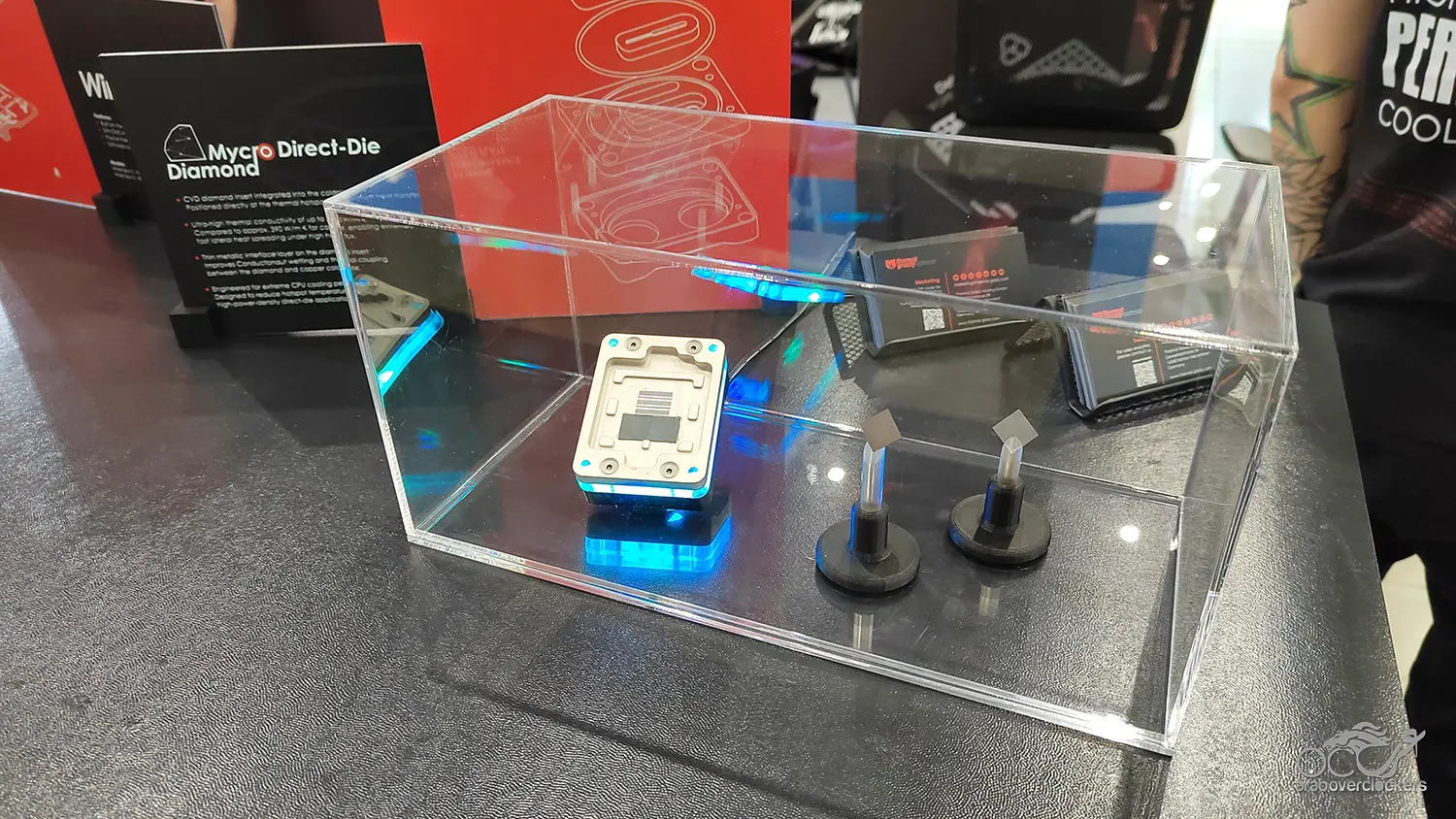
Turning that concept into reality, however, proved far from straightforward.
Engineers had to develop specialized surface-treatment methods that would allow the diamond to interact safely with liquid metal compounds while preserving both its chemical stability and thermal properties. Achieving this required an extraordinary level of engineering precision.
According to the demonstrations presented during the show, the prototype delivered promising results in direct-die cooling scenarios, particularly when paired with high-power processors.
Yet despite its technical potential, cost remains the project’s biggest obstacle.
The diamond component itself is extremely expensive to manufacture, while production requires highly specialized processes that are difficult to scale economically.
At its current stage, Mycro Direct Die Diamond appears more suited to extreme overclockers, specialized laboratories, and experimental thermal research than to the mainstream consumer market.
The concept nevertheless offers a fascinating glimpse into how future cooling technologies may evolve as heat density continues to rise in next-generation silicon.
Advanced Nickel Alternatives: Pursuing Long-Term Thermal Reliability
One of the most technically fascinating areas of the booth focused on a challenge familiar to anyone who has worked extensively with liquid metal thermal compounds.
While liquid metal remains one of the most effective methods for maximizing heat transfer, it also introduces long-term material compatibility concerns. Traditional nickel-plated surfaces can gradually deteriorate when exposed to gallium-based compounds over extended periods, potentially affecting both thermal performance and surface integrity.
To address this issue, Thermal Grizzly showcased several advanced coating technologies developed in collaboration with specialists in surface engineering.
Among the solutions on display were Black Carbon Coating, Metal Nitride Layer, and the particularly noteworthy Oxynitride Metal Layer, which attracted considerable attention throughout the exhibition.
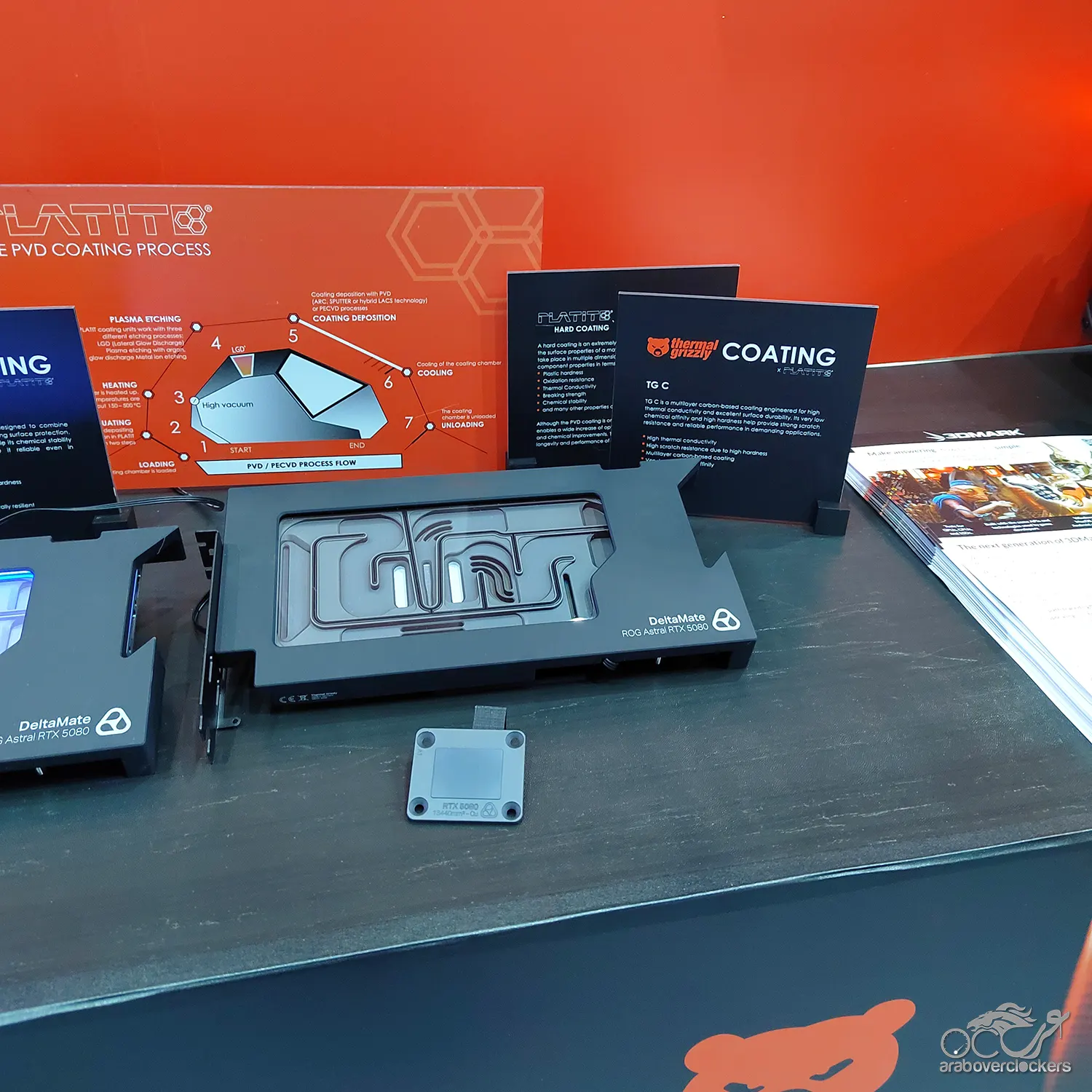
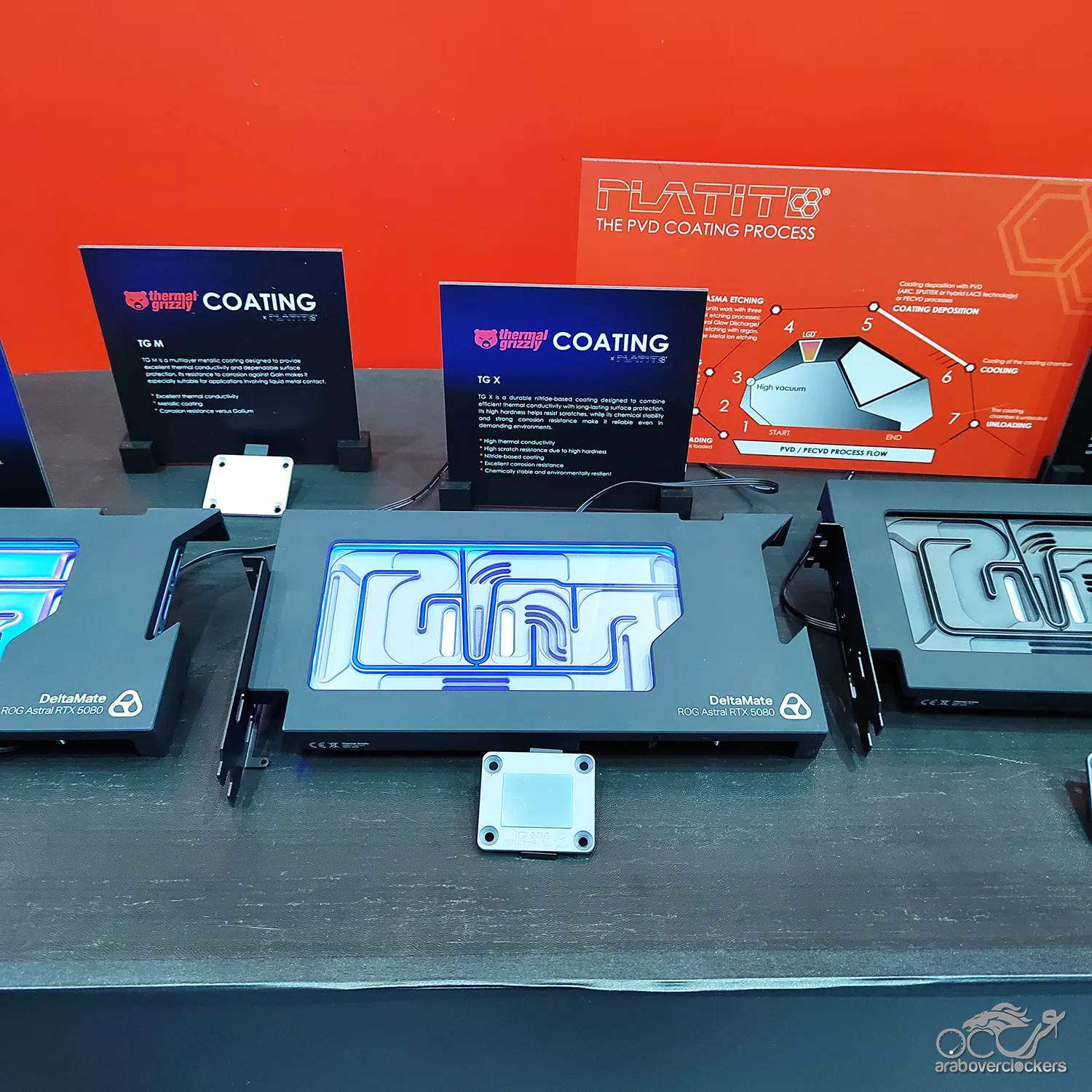
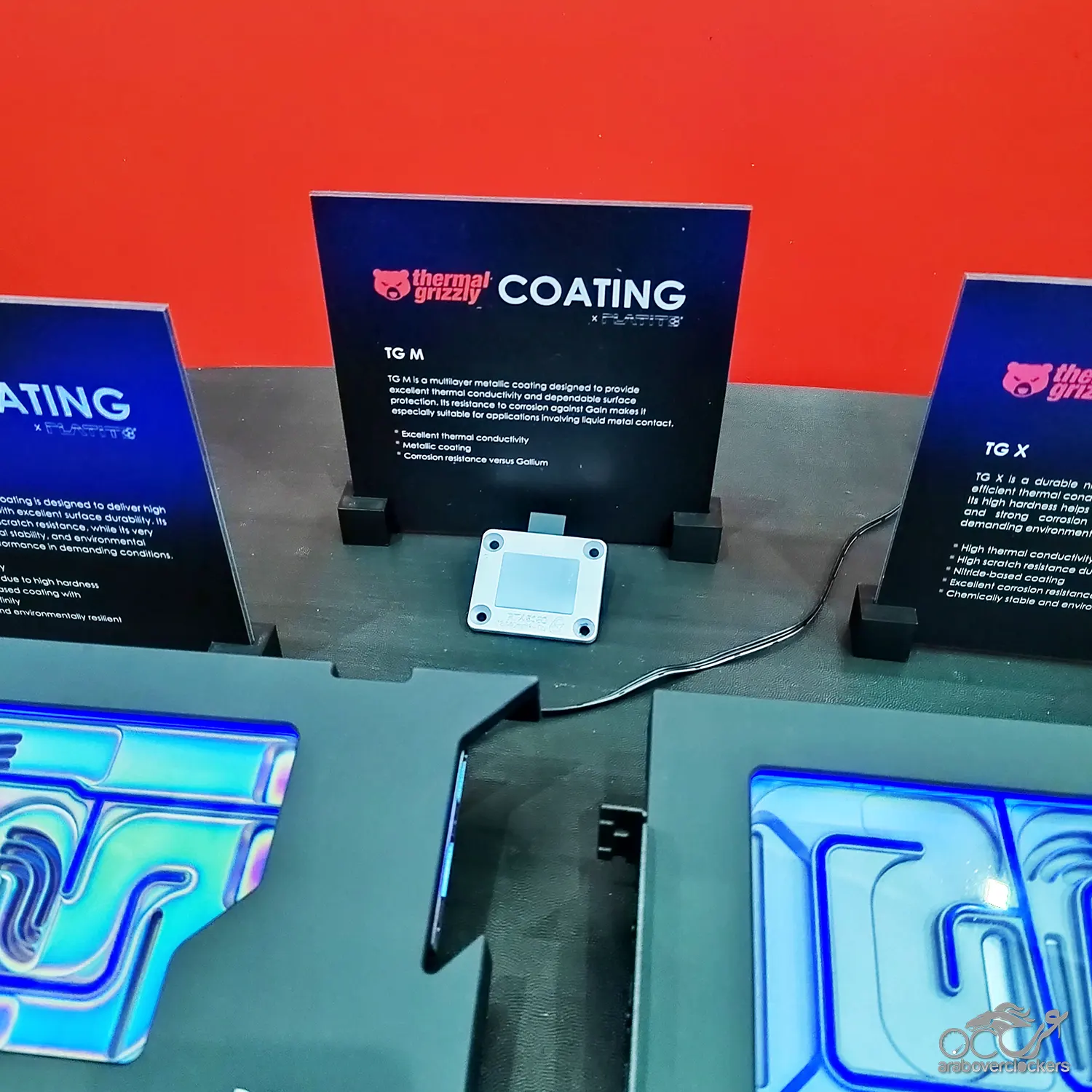
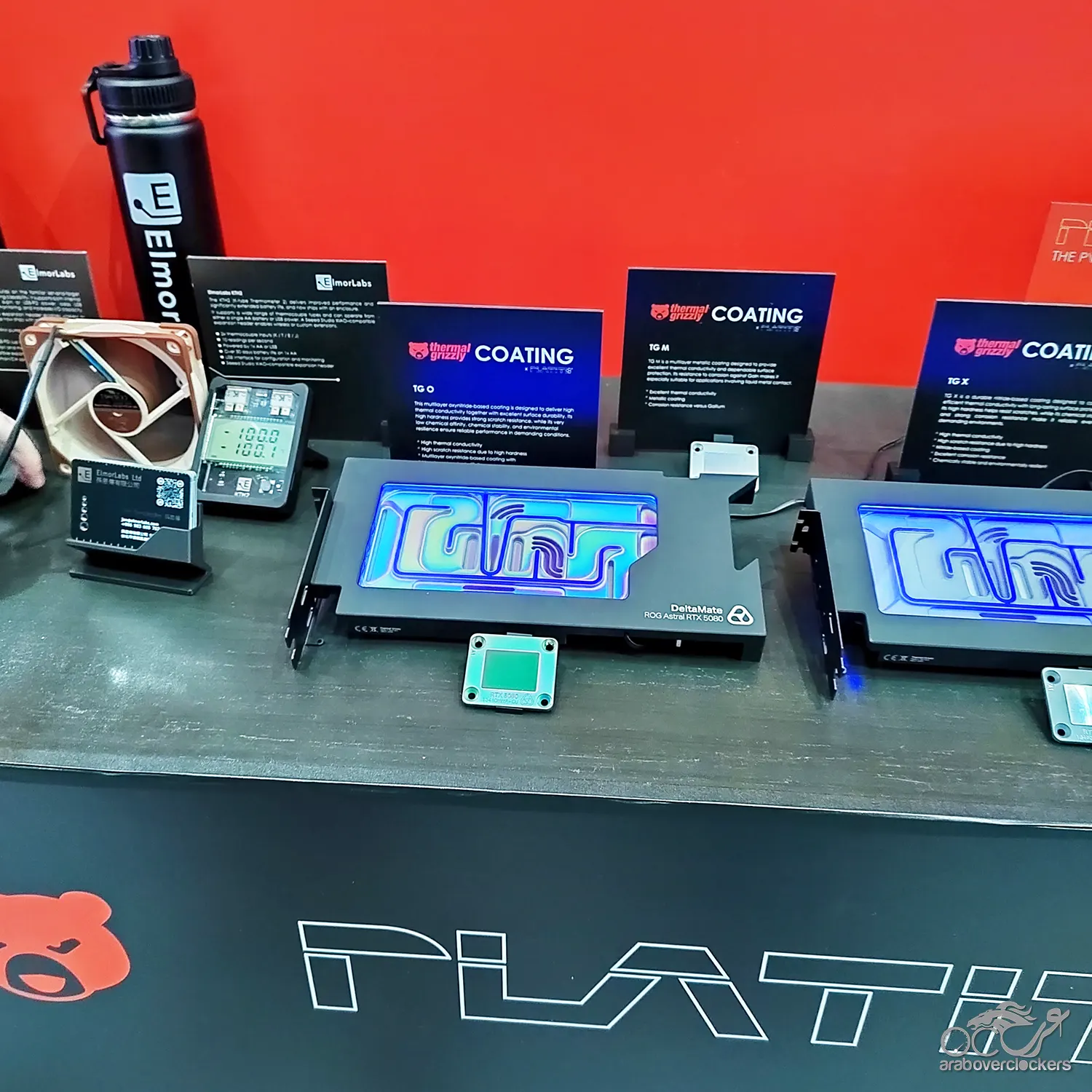
According to the technical data and demonstrations presented at the booth, these coatings are designed to strike a balance between thermal efficiency and long-term chemical resistance. The goal is not simply to achieve the lowest possible temperatures on day one, but to maintain consistent thermal performance over years of operation.
Of the various technologies presented, the Oxynitride Metal Layer appeared especially promising. It demonstrated strong resistance to oxidation and chemical degradation while maintaining the thermal characteristics required for high-performance cooling applications.
Naturally, the true effectiveness of such technologies can only be validated through long-term real-world deployment rather than short-term laboratory testing. Nevertheless, the research highlights a growing industry trend: shifting focus from peak thermal numbers toward long-term reliability and sustainability.
In many ways, this project reflects Thermal Grizzly’s broader philosophy. The company is no longer focused solely on extracting a few extra degrees of thermal performance. Increasingly, it is addressing the durability challenges that emerge when high-performance systems operate continuously for years.
DeltaMate Purrformante P-Series: A Different Approach to Cooling Fans
Another standout product family at the booth was the new DeltaMate Purrformante P-Series, marking Thermal Grizzly’s first major entry into the premium cooling fan market.
Rather than following conventional fan design trends, the company has approached the category from a fundamentally engineering-focused perspective.
The most distinctive feature is the frame itself.
Instead of relying on traditional molded plastic construction, Thermal Grizzly manufactures the outer frame entirely from CNC-machined aluminum. This results in a significantly more rigid structure than the plastic housings commonly found in competing products.
That rigidity serves a practical purpose.
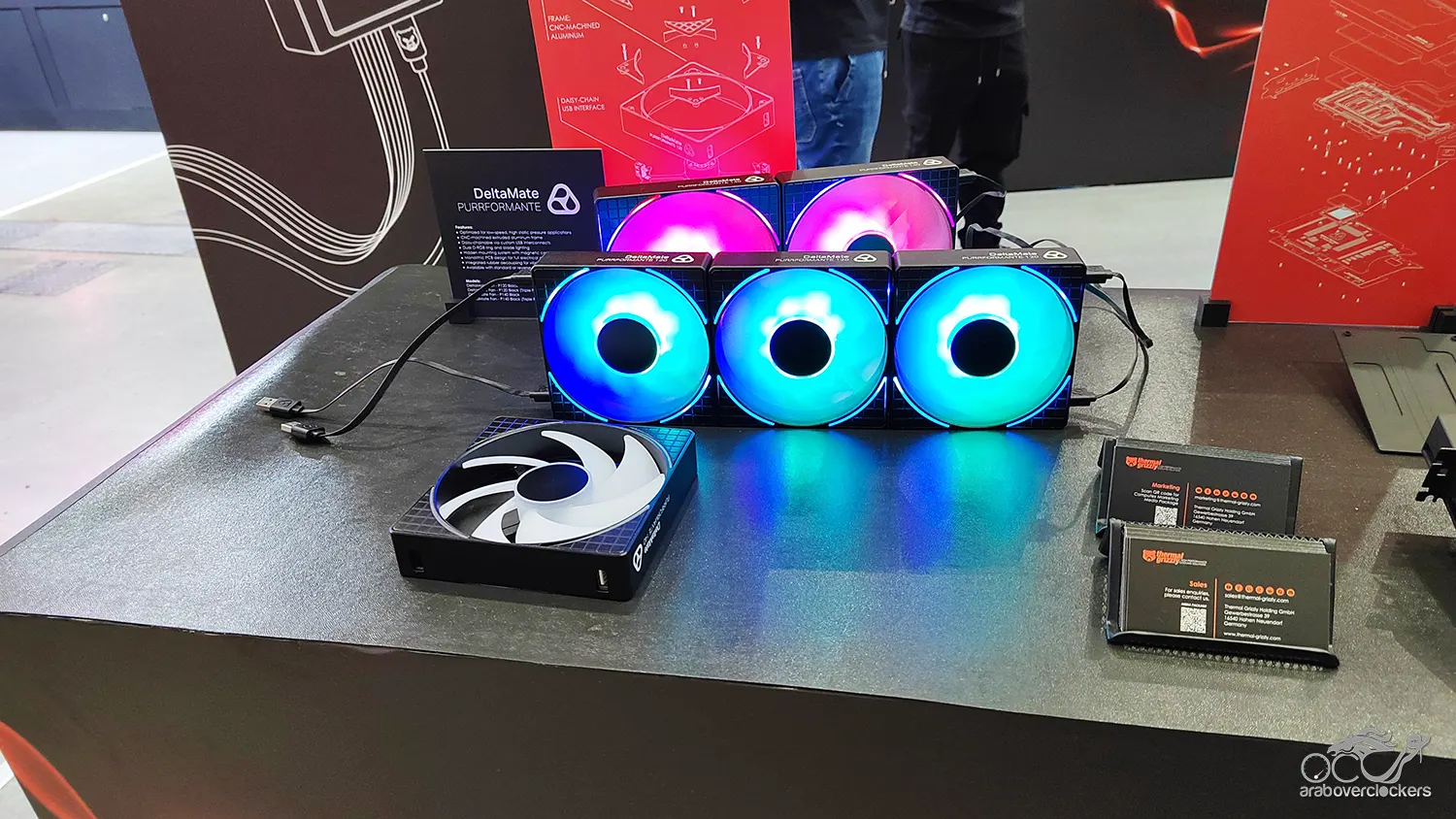
Because the frame experiences minimal flex under load, engineers were able to reduce the clearance between the fan blades and the surrounding housing to extremely tight tolerances. This minimizes air leakage, improves static pressure efficiency, and enhances performance when paired with dense radiators.
The company has also adopted an unconventional connectivity system.
Rather than relying on traditional cabling arrangements, the fans utilize physical connectors shaped similarly to USB Type-A interfaces. These connectors are not used as actual USB devices; instead, they serve as integrated pathways for power delivery, lighting control, fan management, and sensor communication.
The result is a cleaner installation process with significantly reduced cable clutter.
During our hands-on examination of the operational units displayed at the booth, it became clear that Thermal Grizzly is targeting enthusiasts who prioritize engineering quality, clean system integration, and premium construction over entry-level pricing.
That strategy, however, comes with its own challenges.
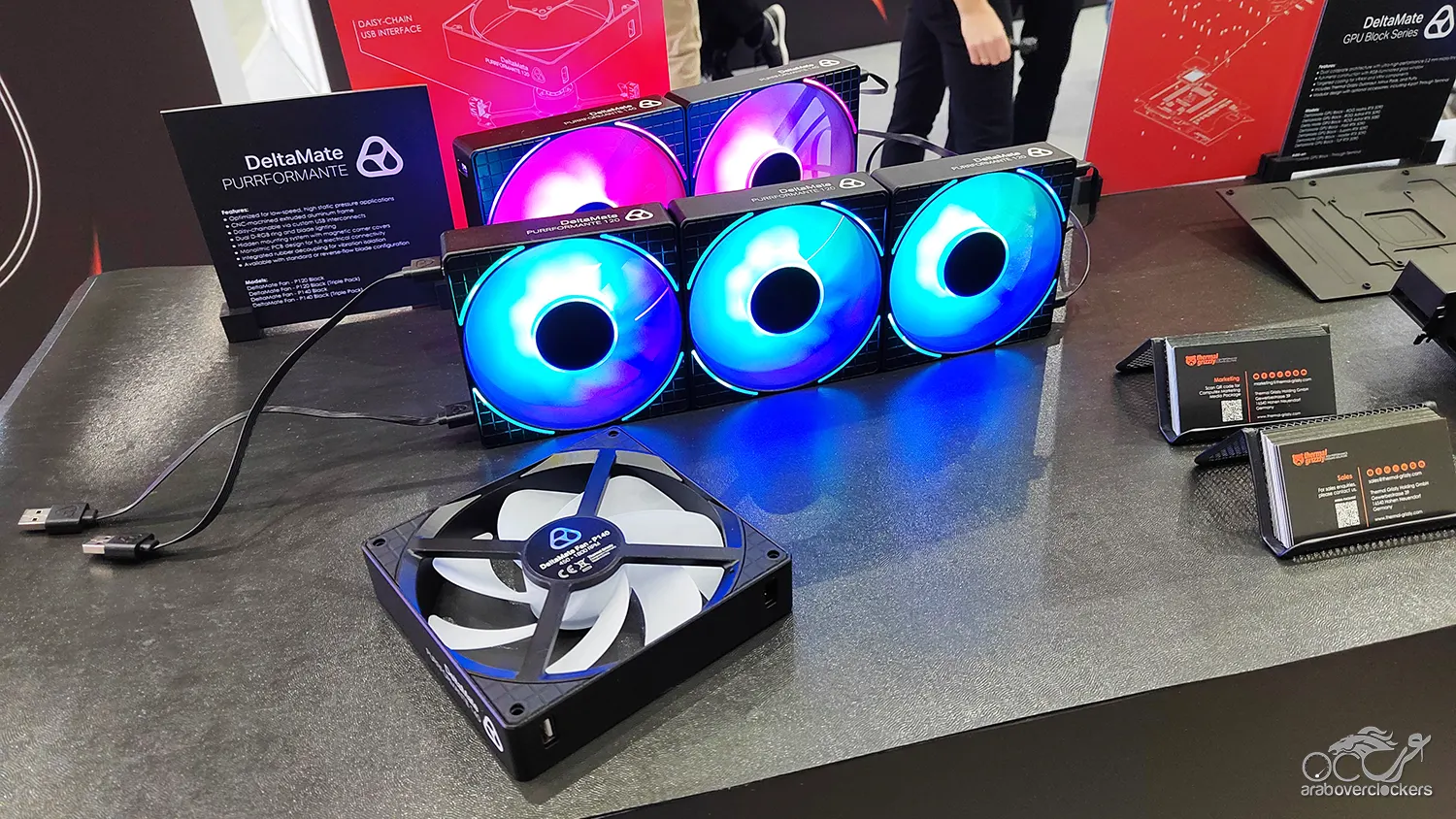
Aluminum construction inevitably increases manufacturing complexity and production costs. The material also adds weight compared to conventional plastic designs.
As a result, the commercial success of the P-Series may ultimately depend on whether consumers are willing to pay a premium for superior manufacturing quality, tighter tolerances, and enhanced structural rigidity.
DeltaMate MPII: A Mature Step Into Custom Liquid Cooling
If there is one product family that best represents Thermal Grizzly’s strategic transformation, it is undoubtedly the DeltaMate MPII series.
For years, the company’s identity revolved around thermal compounds, liquid metal solutions, and supporting accessories. Today, it is increasingly positioning itself as a manufacturer of complete liquid-cooling hardware.
The DeltaMate MPII lineup represents a major step in that direction.
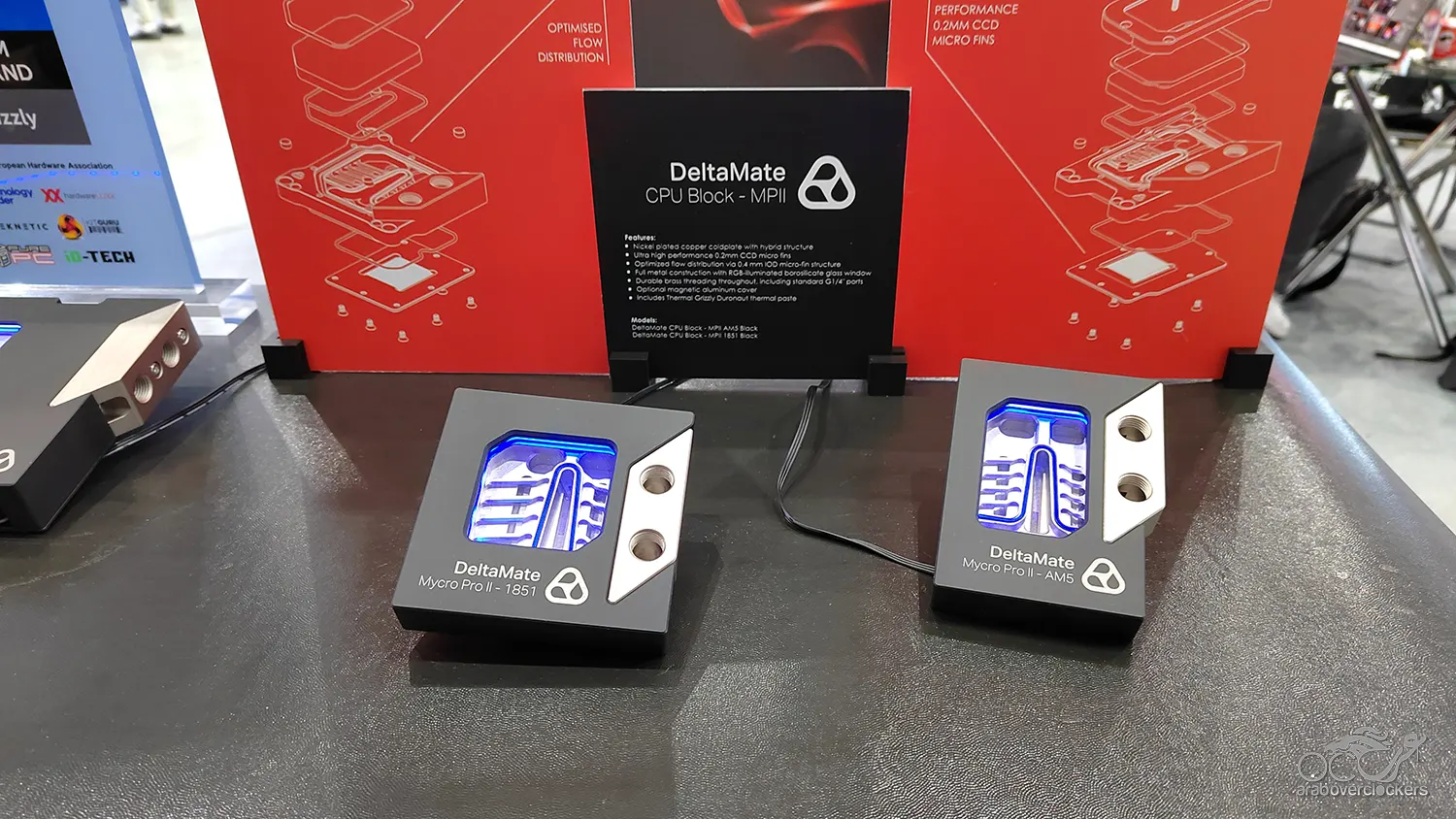
Inside the booth, the company showcased new CPU water blocks supporting both Intel’s LGA1851 platform and AMD’s AM5 ecosystem.
These blocks feature nickel-plated copper cold plates, precision-engineered coolant channels, and top covers constructed from premium Schott BOROFLOAT borosilicate glass, known for its exceptional resistance to heat and mechanical stress.
On the GPU side, Thermal Grizzly demonstrated water blocks designed for some of the most powerful graphics cards currently available, including the ASUS ROG Matrix RTX 5090 and the MSI Suprim RTX 5090.
The company has also embraced emerging hidden-cable standards such as BTF and Project Stealth, reflecting an awareness of evolving enthusiast PC design trends.
Conversations with members of the Thermal Grizzly team revealed that DeltaMate is not being treated as a standalone product line.
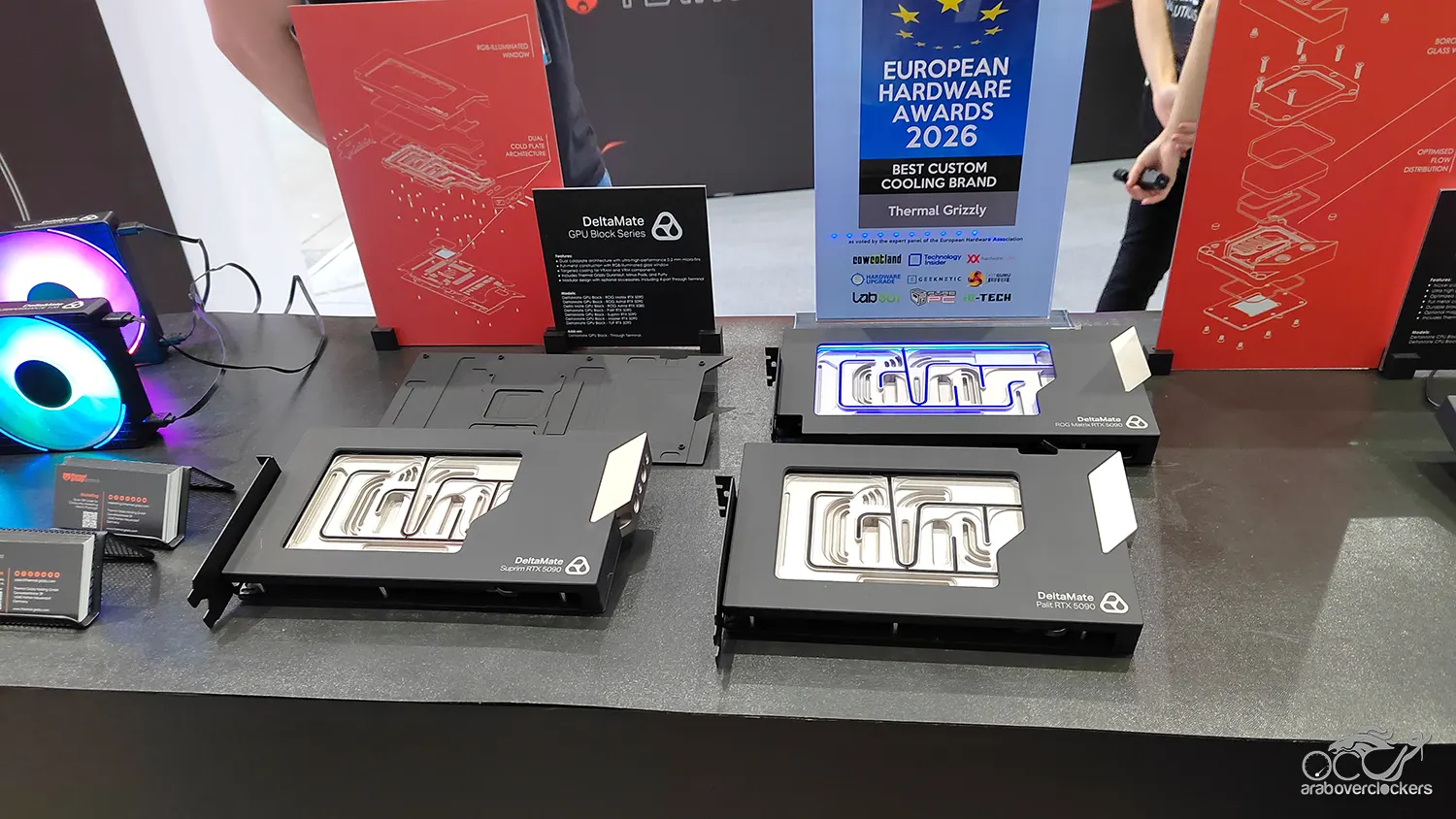
Instead, it appears to be the foundation of a broader ecosystem the company intends to expand significantly in the coming years.
Despite the strong first impression created by the hardware on display, long-term success will depend on more than build quality alone.
One of the biggest challenges facing any liquid-cooling manufacturer is maintaining broad platform support as new processors and graphics cards continue to enter the market. Established competitors have spent years building extensive compatibility networks, and Thermal Grizzly will need to demonstrate similar commitment if it hopes to become a major player in this segment.
Still, the products on display suggested a company that is taking the category seriously rather than merely experimenting with adjacent markets.
WireView Pro II and WireView II: Turning Power Monitoring Into Preventative Protection
Thermal Grizzly also used COMPUTEX 2026 to showcase the latest generation of its increasingly popular WireView power-monitoring solutions.
These devices have become particularly relevant as modern graphics cards continue to push power delivery systems to their limits.
The new models are specifically designed to monitor 12VHPWR and 12V-2×6 power connectors, which have received significant attention across the industry following widely publicized overheating incidents associated with improper installation and connector stress.
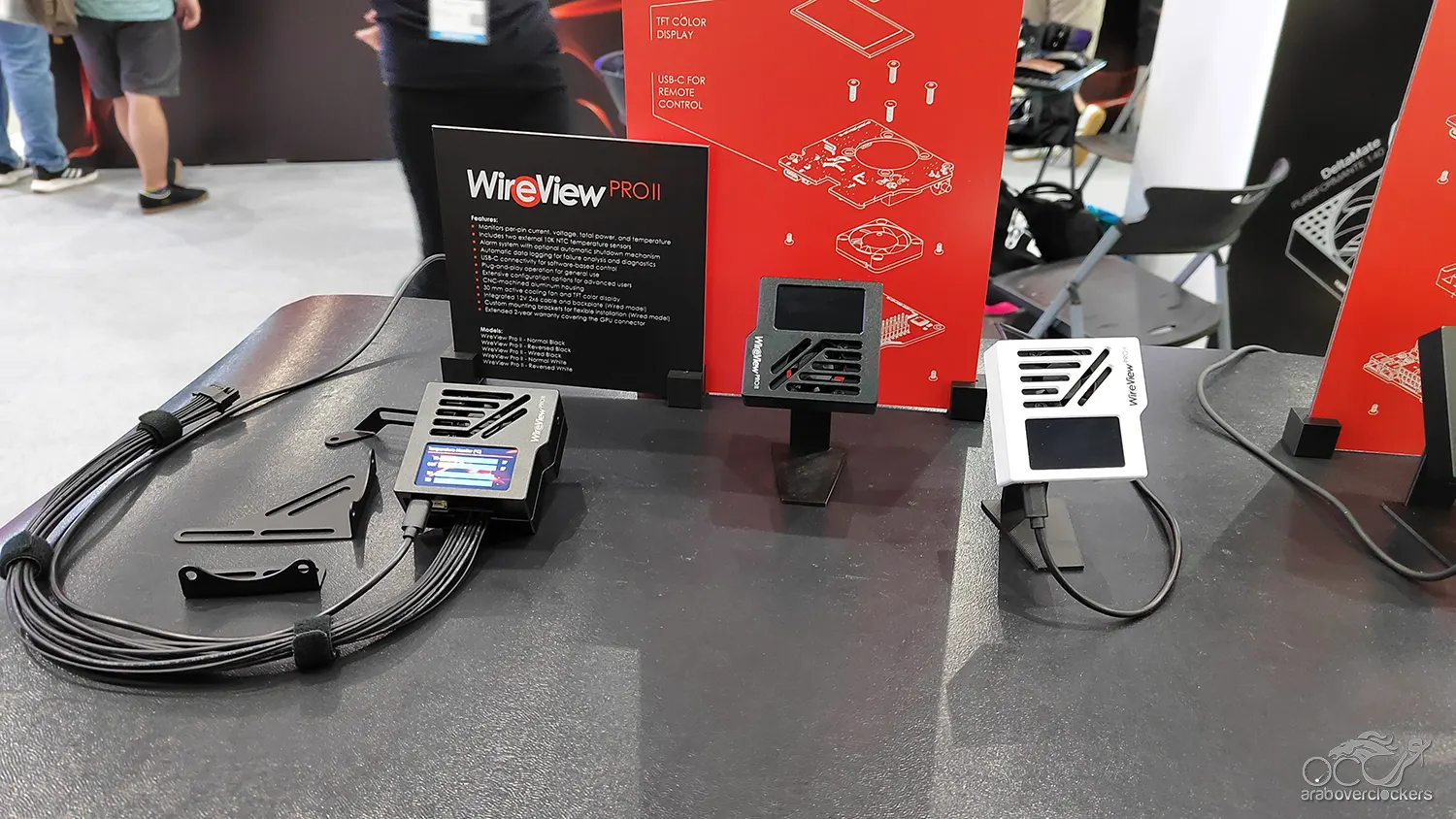
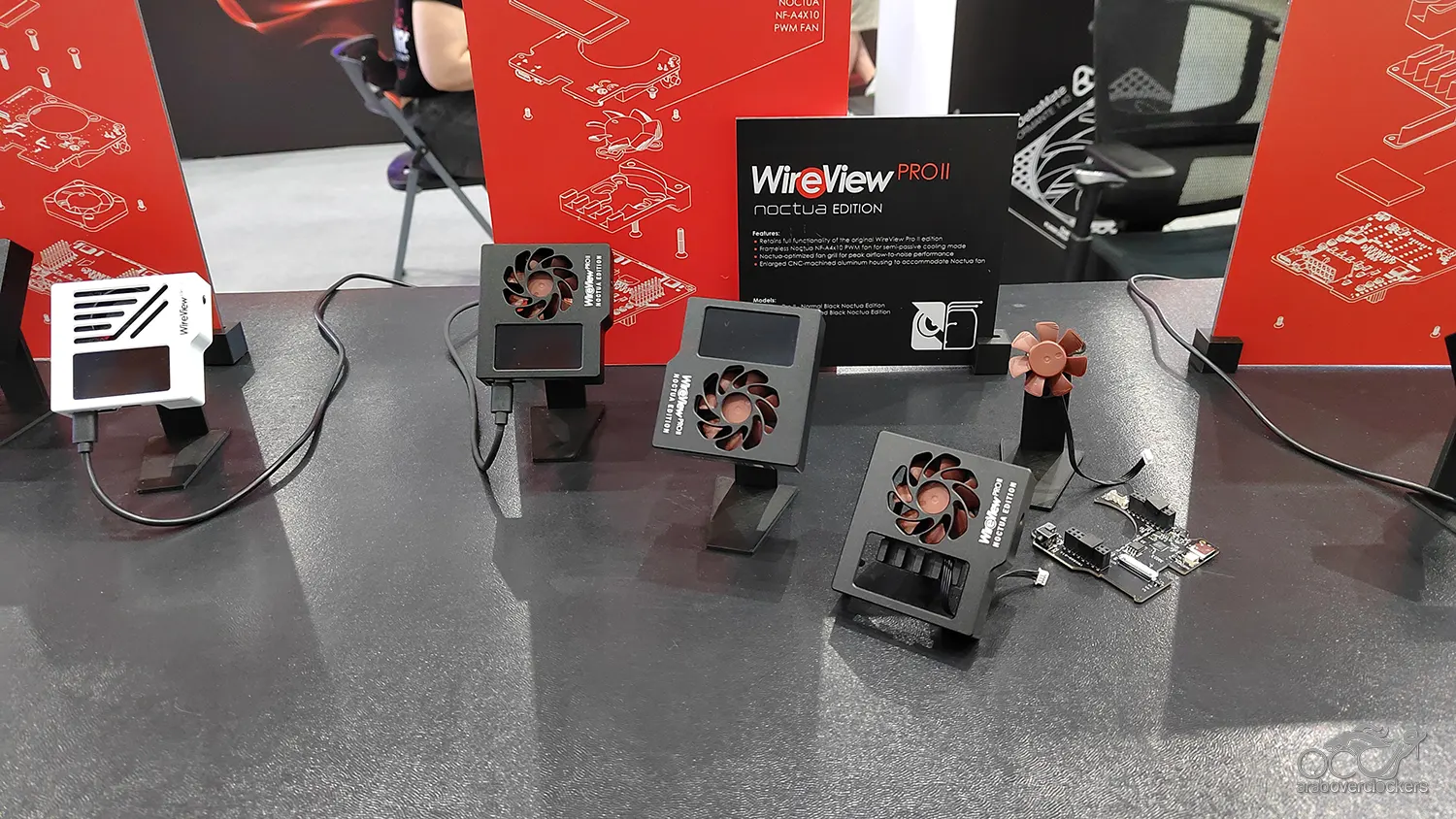
The flagship model, WireView Pro II – Noctua Edition, is the result of a collaboration between Thermal Grizzly and Noctua.
The device integrates a compact, high-efficiency fan within its CNC-machined aluminum housing, providing active cooling for internal circuitry and power-monitoring components during sustained heavy loads.
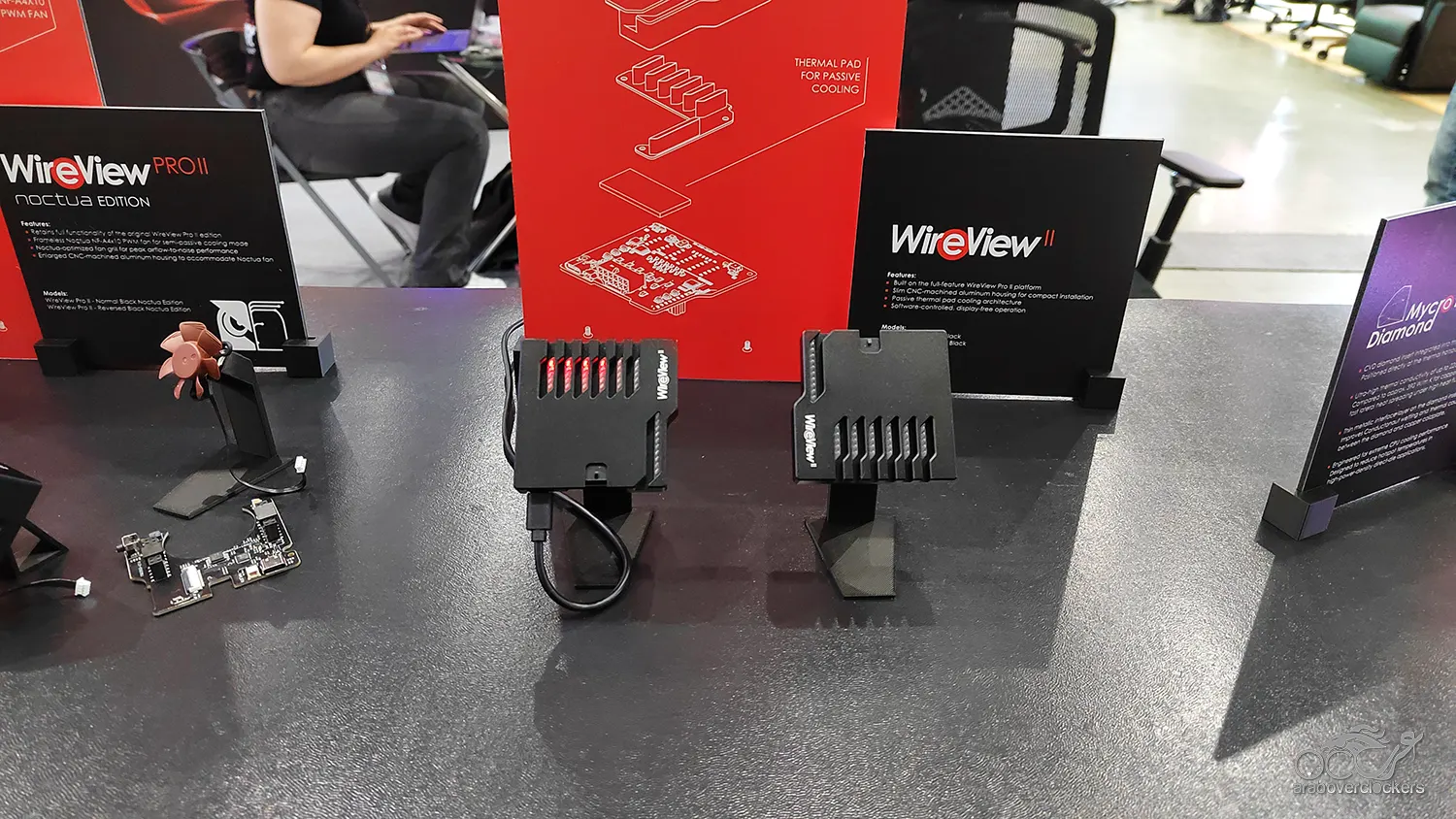
Meanwhile, the standard WireView II adopts a completely passive design.
Without a display or integrated fan, it relies on an aluminum enclosure and advanced thermal pads for heat dissipation. This approach appeals to users who prefer monitoring system data through software while maintaining a cleaner visual appearance inside the chassis.
What makes these devices noteworthy is that they extend beyond simple power readouts.
They effectively function as an additional layer of preventative monitoring, allowing enthusiasts and professionals to observe power behavior and thermal conditions in real time.
As GPU power consumption continues to increase, tools capable of identifying potential issues before they become failures may prove increasingly valuable.
Strategic Partnership with UL and 3DMark, and the Next Generation of Thermal Compounds
Beyond hardware announcements, Thermal Grizzly used COMPUTEX 2026 to unveil what may prove to be one of its most strategically important developments in recent years: a new partnership with UL Solutions, the company behind the globally recognized 3DMark benchmarking platform.
For anyone involved in PC hardware, 3DMark requires little introduction. It remains one of the most widely used benchmarking suites among reviewers, enthusiasts, system builders, and hardware manufacturers alike. Performance scores generated through 3DMark frequently influence purchasing decisions, product evaluations, and even marketing campaigns.
That is precisely why this partnership matters.
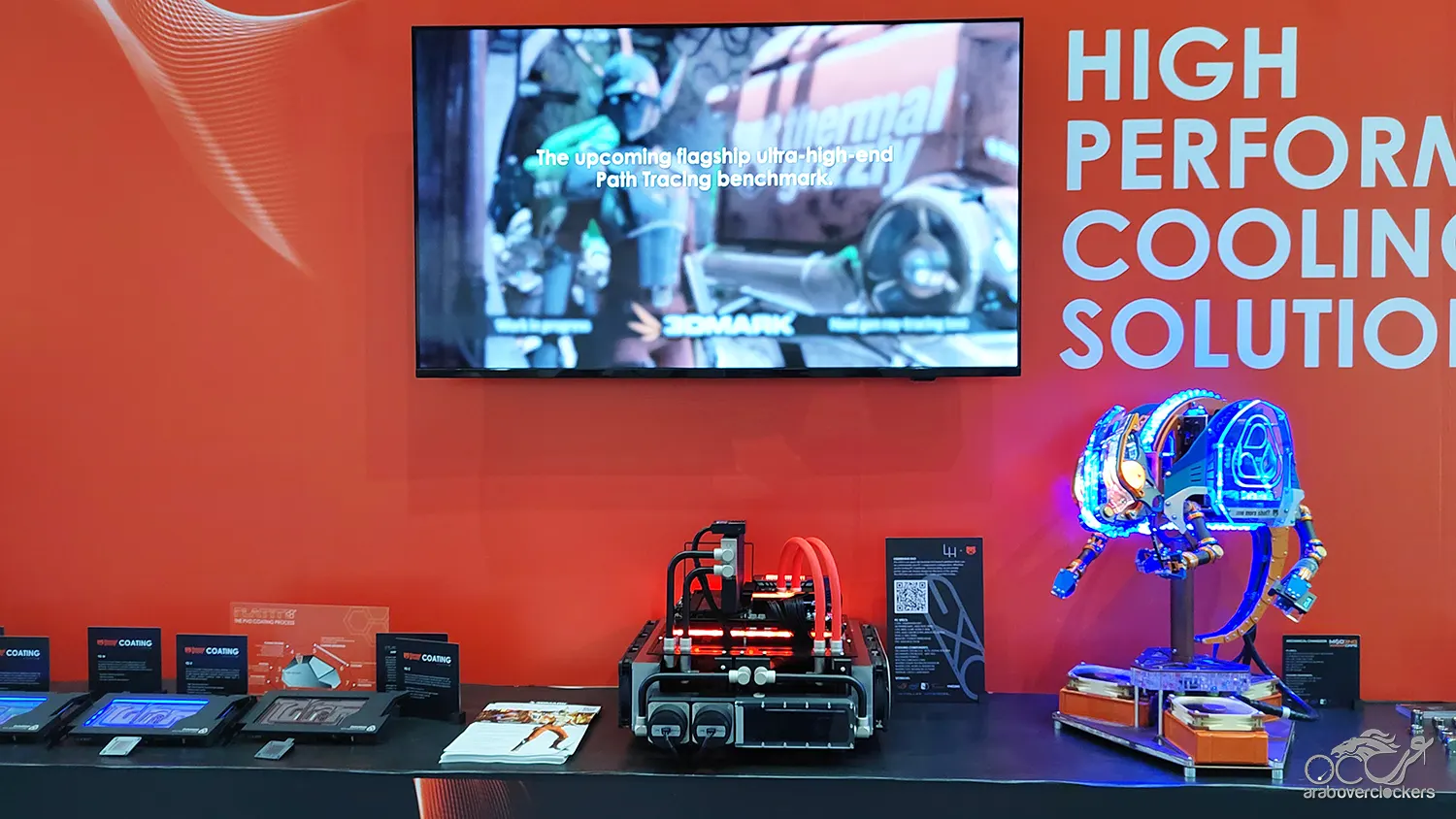
According to information shared at the booth, Thermal Grizzly’s monitoring technologies will become integrated into future testing environments, providing more detailed visibility into thermal behavior during benchmark execution.
From a technical standpoint, this opens the door to richer thermal analysis and potentially more sophisticated benchmarking methodologies.
From a business perspective, however, the significance is even greater.
By aligning itself with one of the industry’s most trusted benchmarking platforms, Thermal Grizzly is positioning its brand alongside the very tools enthusiasts use to evaluate hardware performance. It is a move that extends the company’s influence beyond cooling products and into the broader performance measurement ecosystem.
Alongside this announcement, the company also introduced two new thermal compounds aimed at very different audiences.
Hydronaut Pro
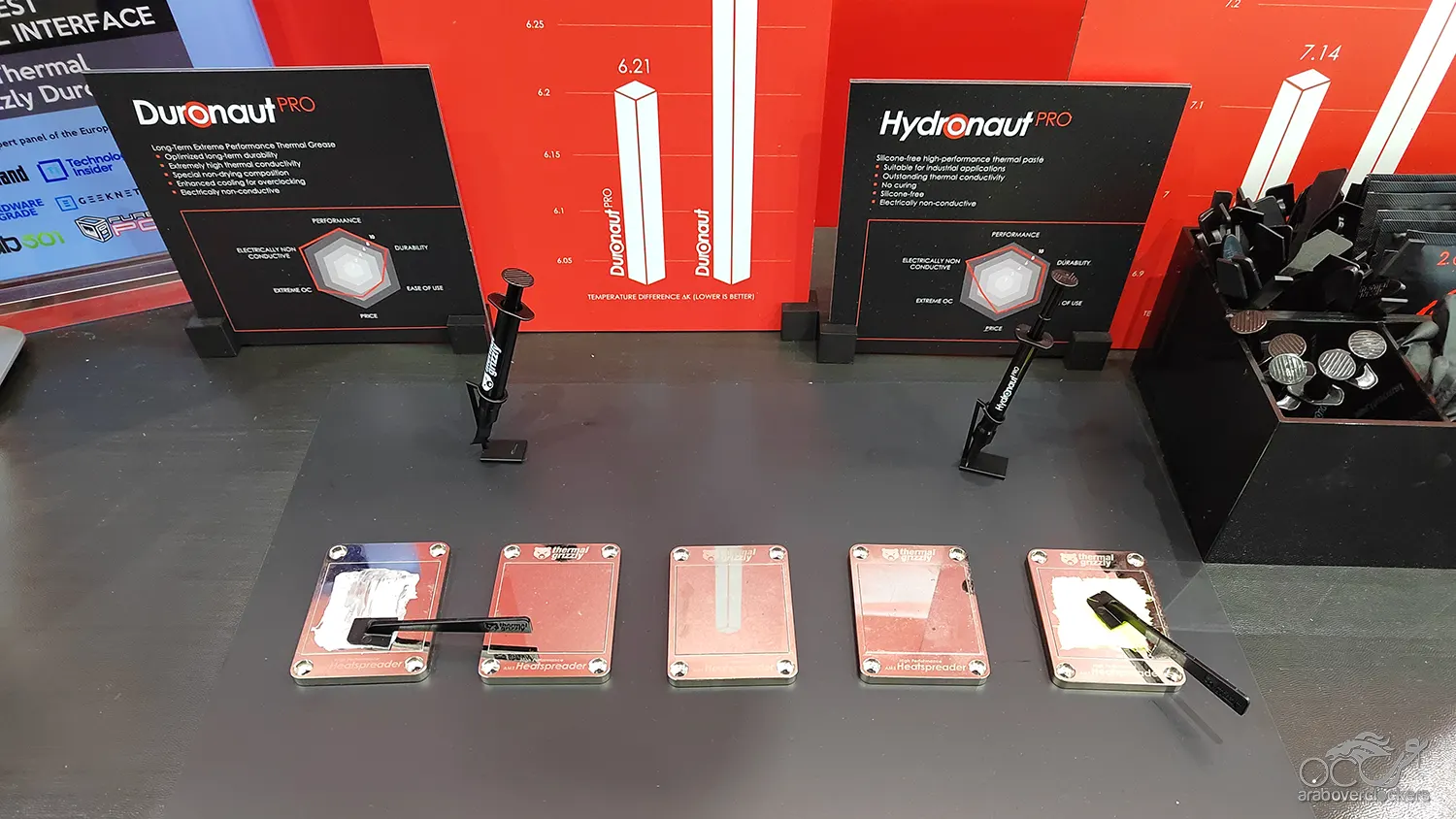
Hydronaut Pro represents Thermal Grizzly’s push toward professional and industrial applications.
Unlike conventional thermal compounds, it is entirely silicone-free, a characteristic that is becoming increasingly important in certain industrial environments and data center deployments.
Many enterprise customers seek alternatives to silicone-based compounds for long-term reliability reasons, particularly in environments where contamination control and material stability are critical considerations.
By addressing those requirements directly, Hydronaut Pro expands Thermal Grizzly’s reach beyond the enthusiast market and into sectors where reliability often takes priority over absolute performance.
Duronaut Pro
The second announcement was Duronaut Pro, the latest evolution of the company’s established Duronaut family.
Where Hydronaut Pro focuses on specialized professional applications, Duronaut Pro targets long-term thermal stability for high-performance computing systems.
The compound has been engineered to resist drying, degradation, and performance loss under sustained thermal stress qualities that have become increasingly important as modern CPUs and GPUs operate at ever higher temperatures.
As always, independent testing will ultimately determine how these products compare against competing solutions once they become widely available. Nevertheless, their introduction reflects a company paying close attention to the changing demands of both enthusiast and professional markets.
Strategic Analysis
Thermal Grizzly Is Preparing for the Next Era of Computing
Looking beyond the individual products displayed at the booth reveals a broader story.
The real significance of Thermal Grizzly’s COMPUTEX 2026 presence is not a new water block, an aluminum fan, or even a diamond-enhanced cooling solution.
It is the company’s understanding of where computing is headed.
For much of the past decade, hardware competition revolved around increasing core counts, boosting clock speeds, and improving manufacturing efficiency.
Today, the conversation is changing.
Heat has become one of the primary factors defining the practical limits of computing performance.
The explosive growth of artificial intelligence, high-performance computing, and large-scale data centers has dramatically increased thermal density across modern silicon. Engineers are no longer dealing solely with more powerful chips; they are dealing with unprecedented concentrations of heat within increasingly compact packages.
Viewed through that lens, many of the projects showcased by Thermal Grizzly take on a different meaning.
The Mycro Direct Die Diamond project is not merely an engineering curiosity. It is an exploration of materials that may become necessary as future processors continue pushing thermal limits.
The advanced coating technologies are not simply about reducing temperatures by a degree or two. They are focused on extending operational lifespan and improving long-term reliability in demanding environments.
Likewise, silicone-free thermal compounds suggest a growing interest in enterprise and industrial markets whose priorities differ significantly from those of gaming enthusiasts.
In other words, a substantial portion of what we saw at the booth was not really about gaming PCs at all.
It was about the future infrastructure of computing itself.
From Thermal Paste Manufacturer to Ecosystem Builder
Perhaps the most important takeaway from Thermal Grizzly’s COMPUTEX 2026 appearance is the evolution of the company’s identity.
For years, the Thermal Grizzly name was synonymous with thermal paste, liquid metal compounds, and thermal pads.
Its products typically complemented cooling solutions manufactured by other companies.
That relationship is changing.
Today, Thermal Grizzly appears determined to control a much larger portion of the thermal value chain.
The company develops thermal interface materials.
It develops water blocks. It develops cooling fans.
It develops power-monitoring solutions. It is building its own connectivity ecosystem.
And now it is becoming involved in benchmarking and thermal analysis platforms.
This expansion is about far more than product diversification.
It gives the company greater control over the user experience while allowing it to ensure compatibility across products designed according to a unified engineering philosophy.
At the same time, it opens opportunities in markets that are potentially more lucrative than traditional thermal compound sales alone.
Competitive Landscape: Significant Opportunity, Significant Challenges
Despite the confidence and ambition demonstrated at COMPUTEX, Thermal Grizzly’s path forward will not be easy.
Entering the custom liquid-cooling market means competing directly with established names such as EKWB, Watercool, and Alphacool, companies that have spent years building loyal communities and extensive product ecosystems.
What makes Thermal Grizzly particularly interesting, however, is that it does not appear interested in simply copying those competitors.
Instead, the company seems intent on carving out its own identity.
While much of the modern enthusiast market has shifted toward visual presentation, RGB integration, and showcase aesthetics, Thermal Grizzly consistently emphasized engineering, manufacturing precision, and material quality throughout its booth.
That approach will resonate strongly with enthusiasts who prioritize functionality, reliability, and long-term performance over visual spectacle.
The challenge, of course, is cost.
Premium materials, tighter manufacturing tolerances, and complex engineering inevitably increase production expenses.
As a result, many of the products introduced at COMPUTEX are likely to occupy the upper end of the market.
The company’s long-term success will therefore depend on its ability to maintain its engineering-driven identity while expanding its reach beyond a relatively small enthusiast audience.
Finding that balance will be one of the defining challenges of its next chapter.
Conclusion: More Than Just Another COMPUTEX Appearance
After spending hours exploring the Thermal Grizzly booth at COMPUTEX 2026 and examining the technologies, prototypes, and products on display, one conclusion became increasingly clear.
This was not a routine trade-show appearance from a cooling company.
It was the latest chapter in the evolution of a brand that is actively redefining its role within the broader computing industry.
From the Mycro Direct Die Diamond project exploring the limits of ultra-high-conductivity materials, to advanced surface coating research, the expanding DeltaMate ecosystem, precision-engineered aluminum fans, and WireView power-monitoring solutions, Thermal Grizzly presented a remarkably cohesive vision of where thermal technology may be heading.
Not every project showcased at the event is ready for widespread deployment.
Some remain experimental.
Others still need to prove themselves through independent testing and real-world adoption.
Yet the overall direction of the company has become unmistakably clear.
Thermal Grizzly is no longer focused solely on developing better thermal compounds.
It is building an ecosystem designed to address thermal challenges from multiple angles, drawing upon expertise in materials science, mechanical engineering, thermal design, and system integration.
In an era increasingly shaped by artificial intelligence, high-performance computing, and rising power consumption, that vision may prove more relevant than ever.
Based on what we observed firsthand at COMPUTEX 2026, Thermal Grizzly’s presence this year was not simply about launching new products.
It was a statement of intent.
A statement that suggests the company could play a far more influential role in the future of professional cooling technologies than it did during the past decade.
As always, the ultimate test will not take place on the exhibition floor.
It will take place in real systems, under real workloads, and in the hands of users.
And that is exactly where we look forward to putting these technologies through their paces once they arrive at the ArabOverclockers lab.