Every year, COMPUTEX helps shape the next chapter of the global technology industry. However, the 2026 edition delivered a notably different message. While many companies focused on artificial intelligence as a standalone technology or an additional feature within existing products, Synology presented a broader vision centered around a fundamental question: How can organizations and individuals harness the power of AI without giving up control of their data?
From the company’s booth at Taipei’s Nangang Exhibition Center, it became clear that Synology no longer wants to be viewed solely as a NAS (Network Attached Storage) vendor. Instead, it is positioning itself as a comprehensive provider of digital infrastructure, data management, cybersecurity, and private AI solutions. This transformation was not merely reflected in marketing messages; it was evident throughout every technology and product showcased at the event, from the next generation of DSM and private AI platforms to advanced data protection solutions, enterprise-class storage systems, intelligent surveillance technologies, and private cloud ecosystems.
During ArabOverclockers’ interview with Mike Chen, Synology’s Senior Sales Manager for the Middle East, he summarized the company’s current vision in just three words: “Faster, Bigger, and Smarter.” While simple at first glance, this statement perfectly encapsulates Synology’s COMPUTEX 2026 strategy. Faster represents its new generation of high-performance storage platforms, Bigger reflects its entry into large-scale distributed storage, and Smarter highlights the integration of AI across virtually every layer of the company’s technology stack.

Touring the Booth: When Data Becomes the Center of Everything
The moment visitors stepped into the Synology booth, it was immediately apparent that the company had deliberately moved away from its traditional image. Rather than showcasing a collection of new NAS devices or faster storage hardware, the booth felt more like a demonstration of a complete digital ecosystem built entirely around data.
The exhibition space was divided into multiple dedicated areas, each focusing on a different aspect of Synology’s strategy. There were sections dedicated to enterprise infrastructure, private AI, cybersecurity, intelligent surveillance, and consumer-oriented solutions. This structure reflected Synology’s evolving philosophy: storage is no longer the end goal, but rather the foundation of a larger ecosystem encompassing data management, protection, analysis, and utilization.
Throughout product demonstrations and meetings with partners, customers, and media representatives, discussions extended far beyond storage capacities and transfer speeds. Instead, the focus was on building a comprehensive digital infrastructure capable of supporting AI workloads, cybersecurity requirements, governance frameworks, and modern data management practices.
The New DSM: From Storage Operating System to Data Platform
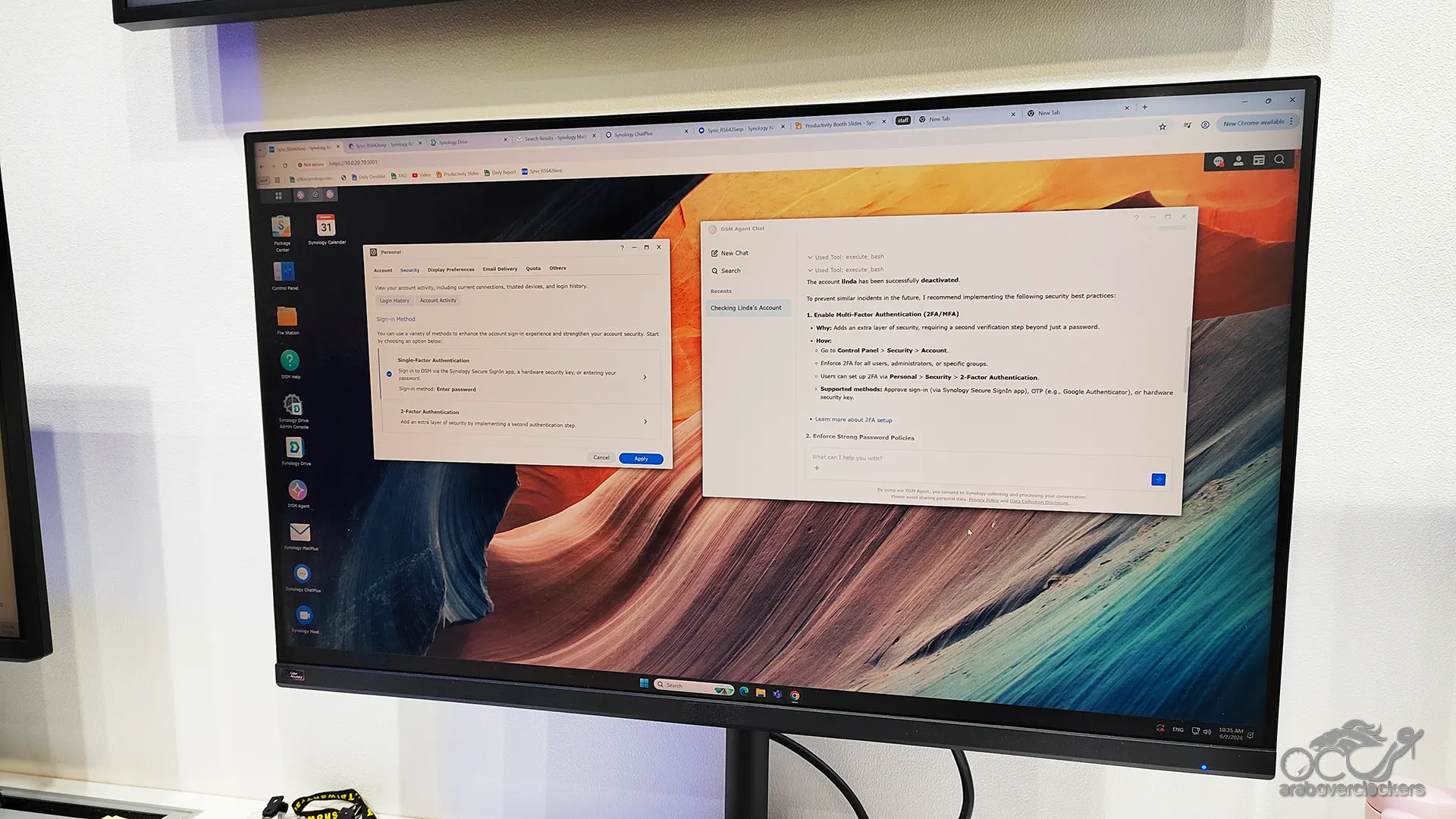
The next generation of DiskStation Manager (DSM) served as the centerpiece of Synology’s COMPUTEX showcase. Although DSM has long been one of the company’s strongest competitive advantages, the 2026 version represents a much more significant evolution than a traditional software update.
Historically, DSM’s role revolved around file management, permissions, storage administration, and network services. Today, it is evolving into a comprehensive operating layer for enterprise data services, encompassing everything from storage and backup management to AI applications and content analysis.
The new platform has been designed specifically for the AI era. With support for GPU-equipped systems, organizations can now perform AI inference and run intelligent models locally within their own infrastructure rather than relying on external cloud services.
Among the most notable additions is DSM Agent, which marks Synology’s first major step into AI-powered agent technologies. This new layer helps automate tasks, coordinate workflows across applications, and reduce manual intervention in daily operations. Synology has also introduced Cluster Manager, enabling administrators to manage large-scale storage clusters and distribute workloads more efficiently.
Taken together, these developments reveal a deeper strategic direction. Synology is no longer simply building a storage operating system; it is developing a data platform capable of hosting and running AI workloads directly on top of the infrastructure where enterprise data already resides.
Private AI: Synology’s Biggest Bet on the Future
If there was one concept that dominated every area of the booth, it was Private AI.
At a time when much of the industry is embracing public cloud-based AI services, Synology has chosen a different path by enabling AI models to run locally within customer environments.
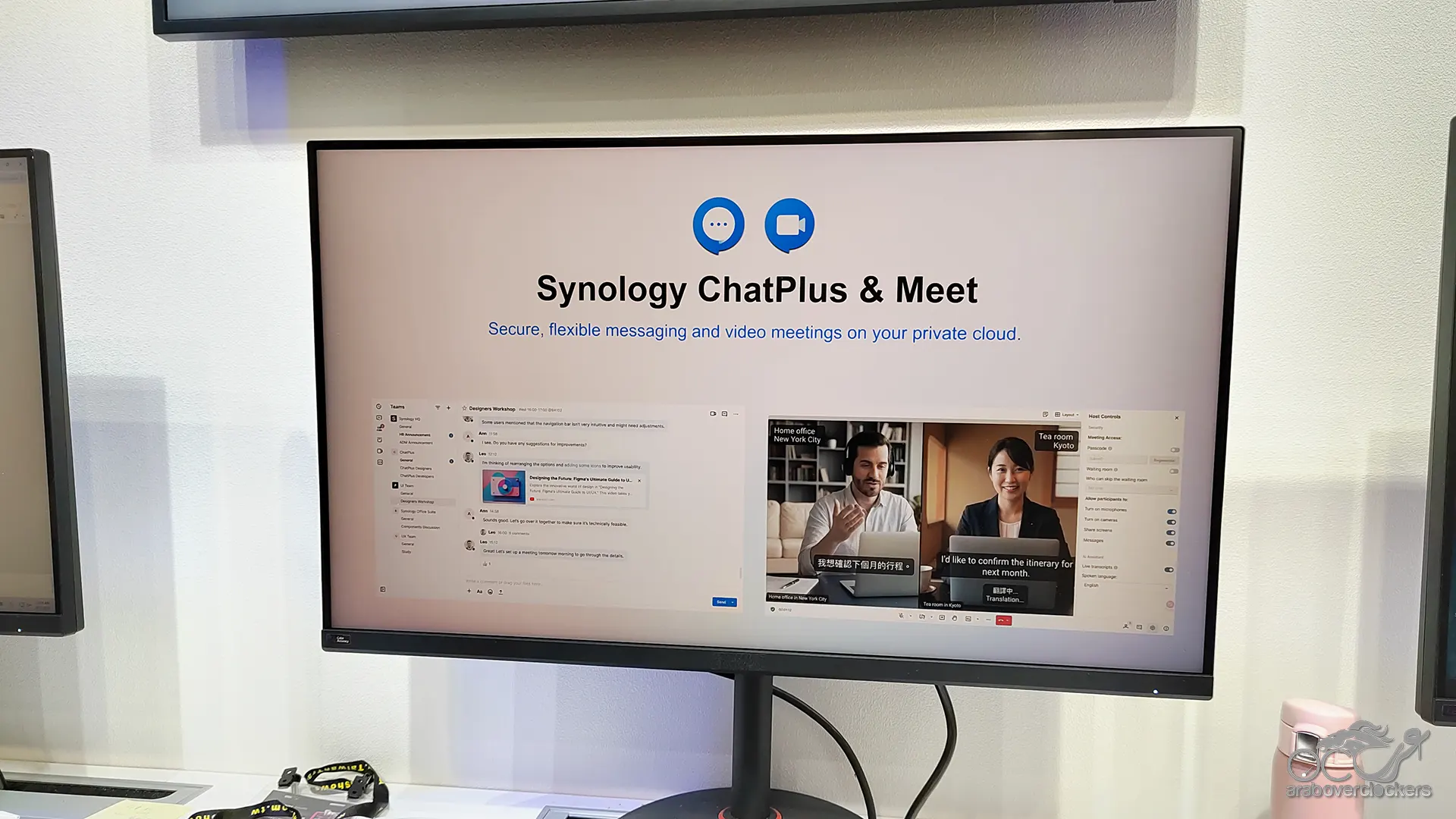
The company believes that many organizations remain hesitant to send sensitive information to external cloud providers, particularly in highly regulated sectors such as government, healthcare, and finance. To address these concerns, Synology is building an environment where organizations can create local knowledge bases, run AI models, analyze documents, generate content, and manage information entirely within their own infrastructure.
This vision becomes even more compelling with the company’s support for NVIDIA GPUs in several new platforms, allowing AI acceleration directly within storage environments.
The benefits extend beyond privacy. Organizations gain greater flexibility and cost efficiency by reducing dependence on recurring cloud subscriptions while maintaining complete control over their data and AI workflows.
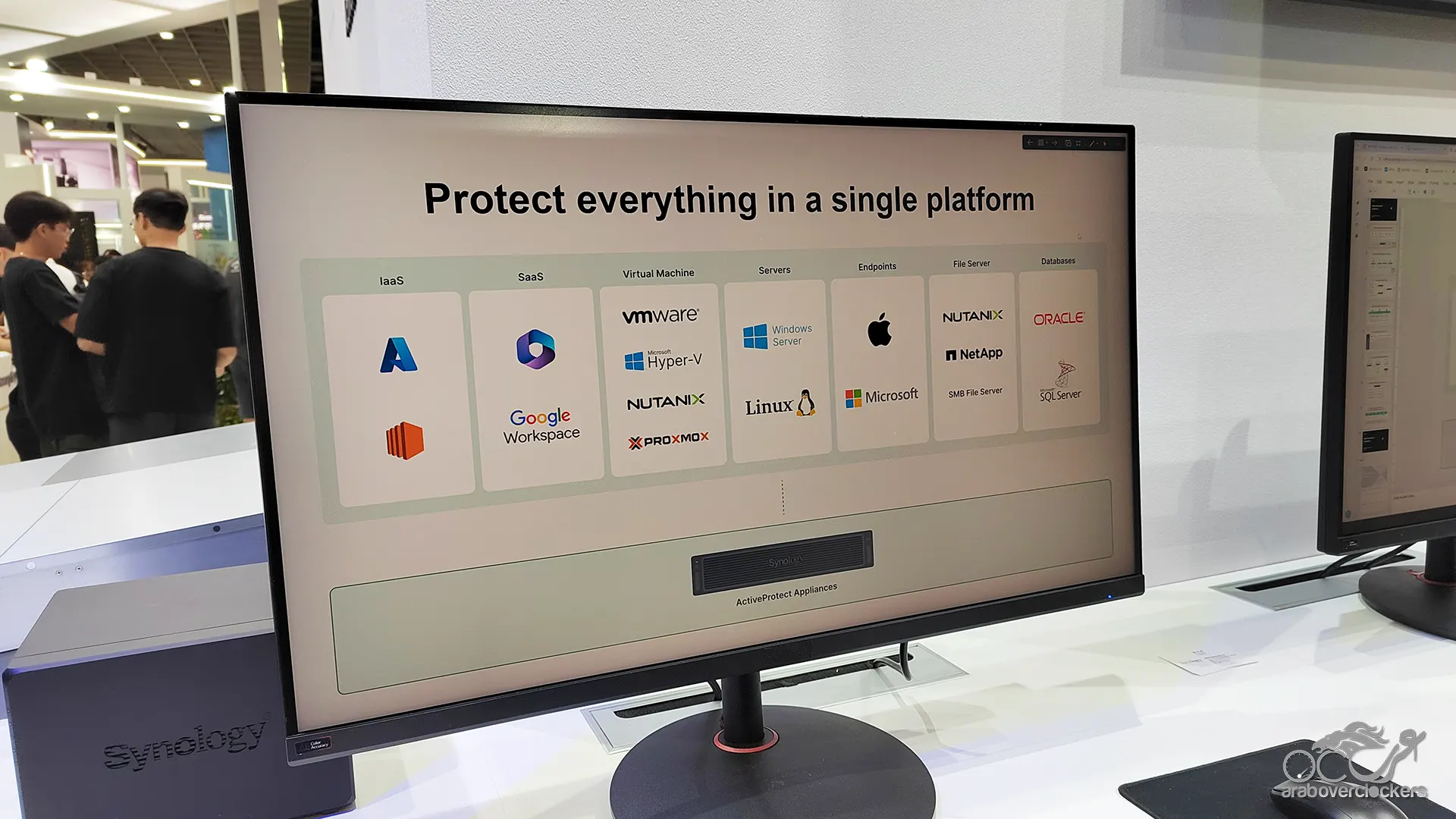
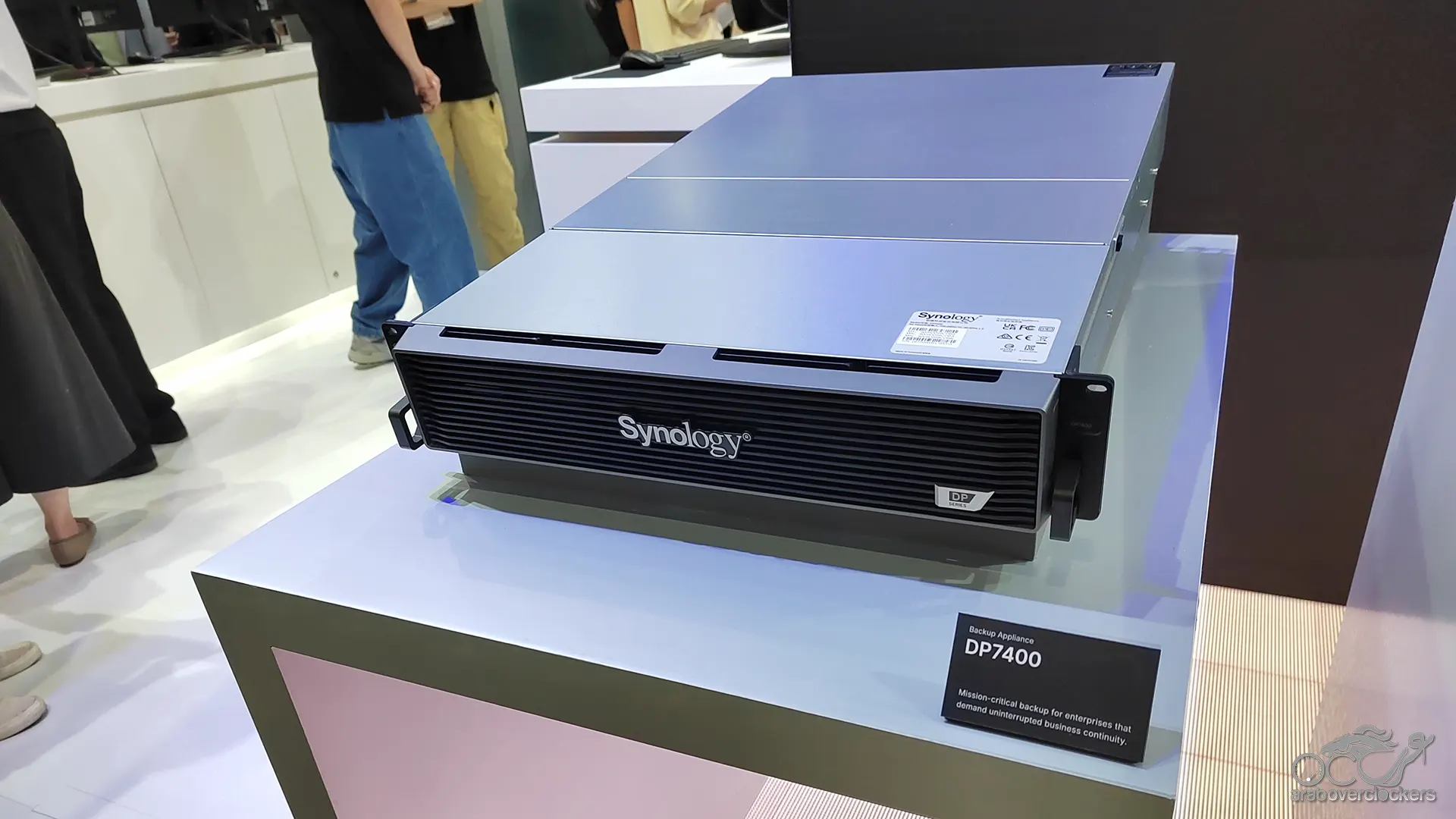
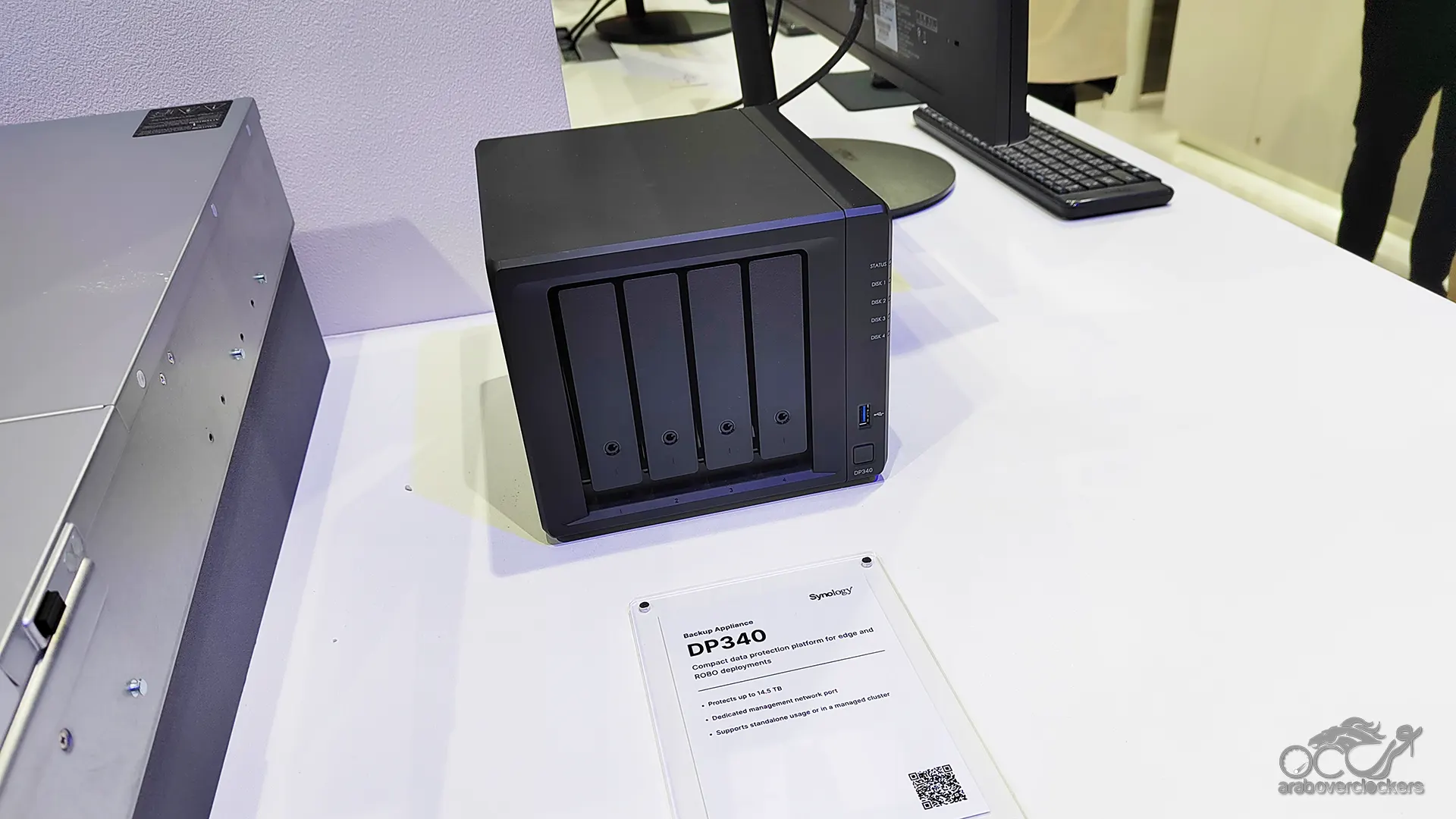
ActiveProtect 2.0: Backup Becomes Cyber Resilience
One of the strongest industry trends visible at COMPUTEX 2026 was the shift from traditional backup strategies toward comprehensive cyber resilience.
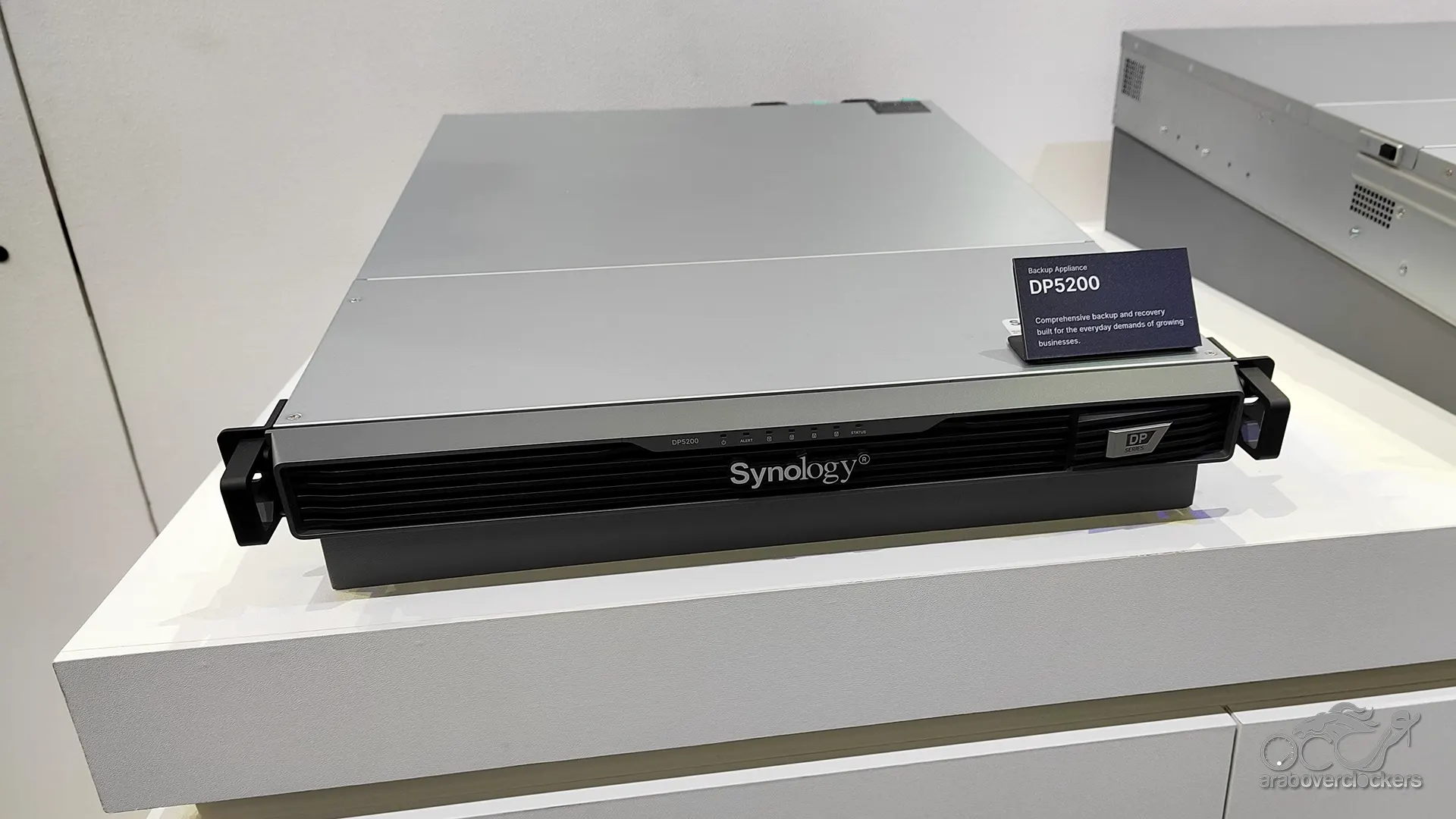
In the past, backup systems were viewed primarily as a safety net. Today, as ransomware attacks increasingly target backup infrastructure itself, organizations require solutions that can withstand attacks and recover operations rapidly.
ActiveProtect Manager 2.0 was Synology’s response to this reality.
The platform supports modern environments including AWS, Microsoft Azure, Google Workspace, Proxmox, and Nutanix while providing cross-platform recovery capabilities. Synology has also integrated AI-driven threat detection technologies capable of identifying suspicious patterns and malware activity within backup repositories before they escalate into operational disasters.
During the interview with ArabOverclockers, Mike Chen emphasized that many organizations still mistakenly believe that multiple backup copies automatically guarantee protection. According to him, modern data protection requires adherence to the 3-2-1-1-0 backup framework, combined with immutable backups and air-gapped protection strategies.
This reflects a broader shift in the cybersecurity industry: the objective is no longer simply to back up data but to ensure business continuity under active attack scenarios.
PAS7700 and GS Series: A Direct Move into Enterprise Territory
Perhaps the most significant surprise at the Synology booth was the company’s growing ambition within the enterprise storage market.
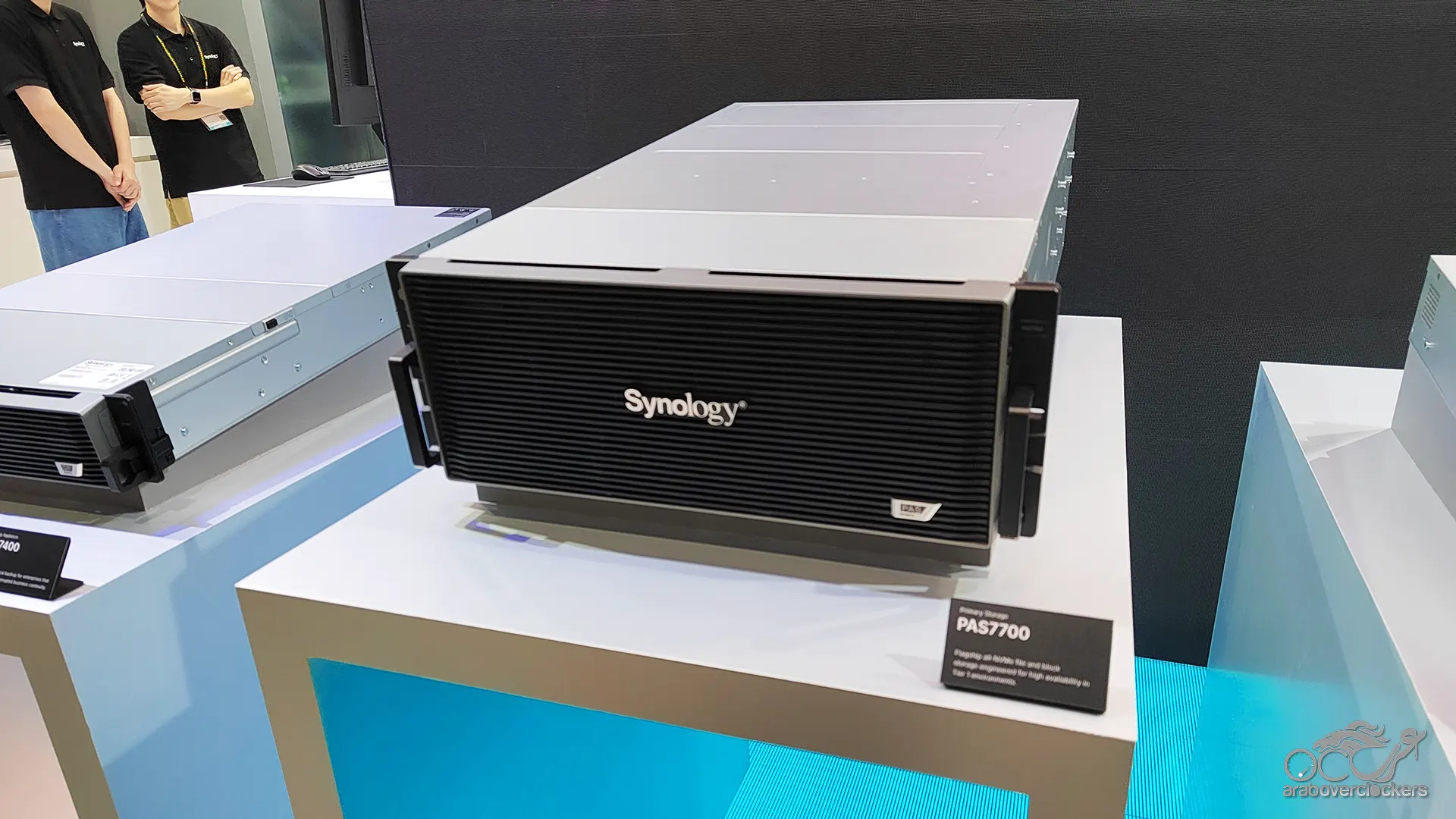
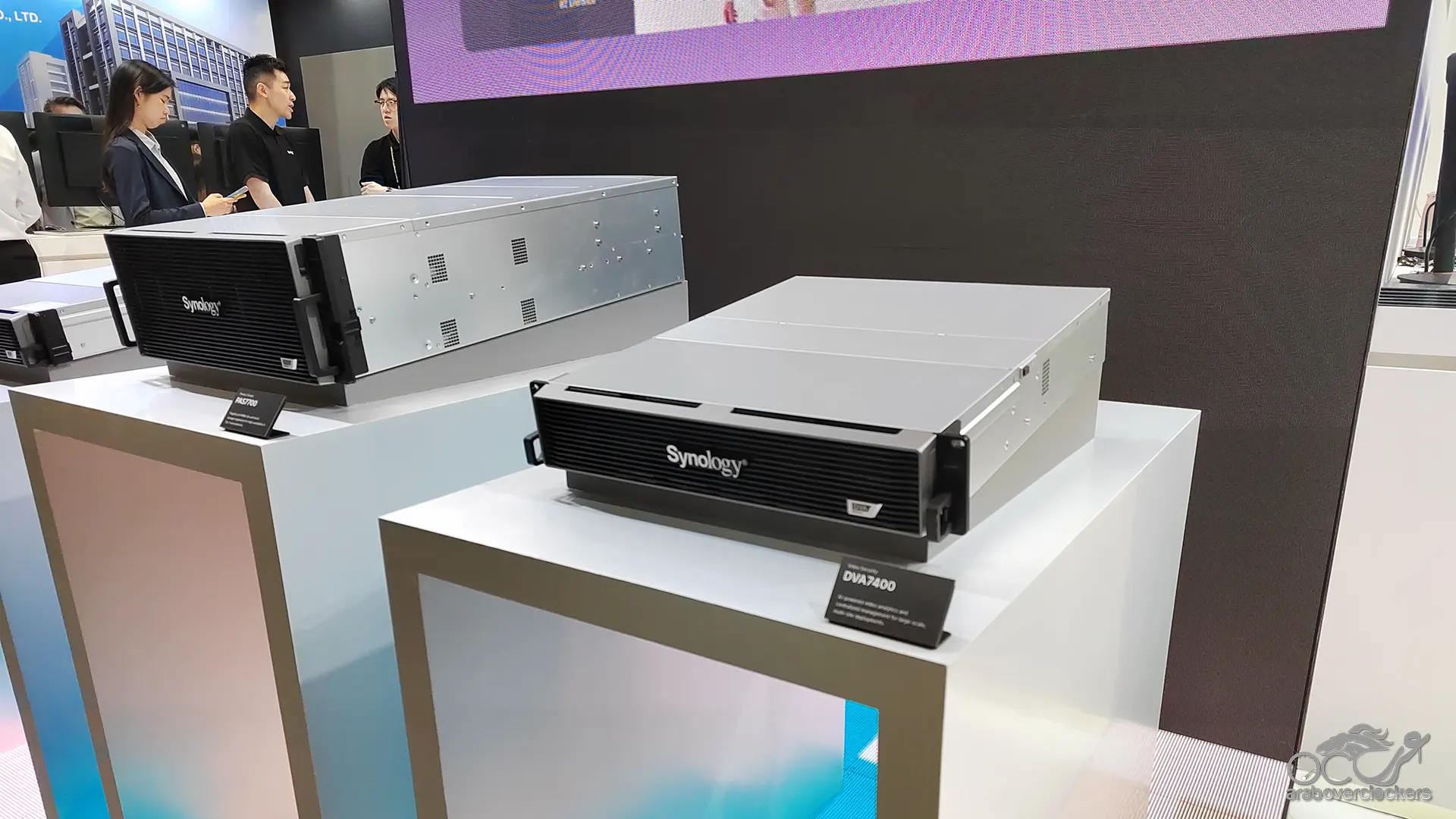
The PAS7700 represents the most powerful enterprise storage platform in Synology’s history. Featuring a fully active-active architecture, support for 48 NVMe drives, dual AMD EPYC processors, 100GbE connectivity, and more than 1.6PB of raw capacity, the system is clearly designed for mission-critical workloads.
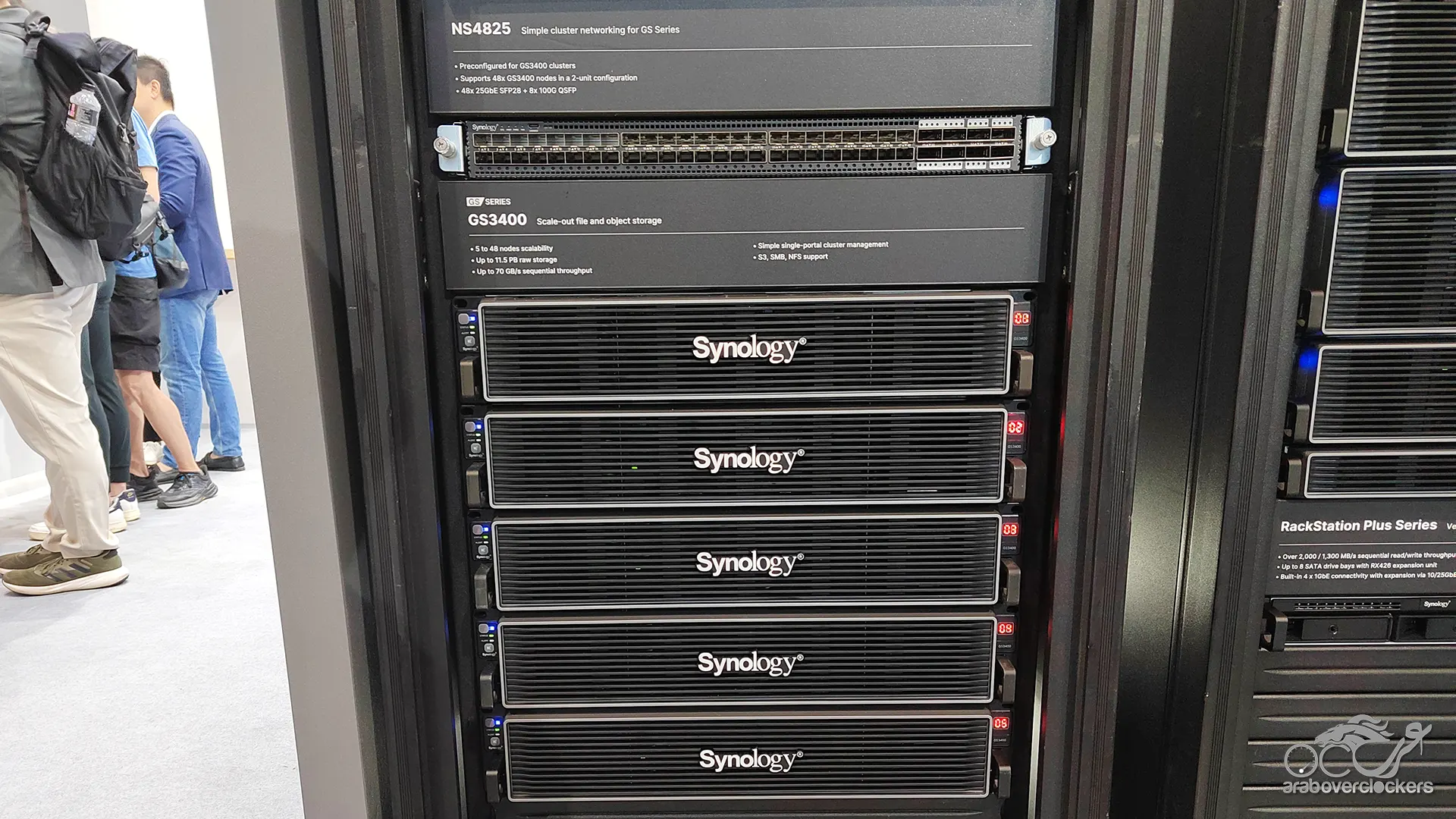
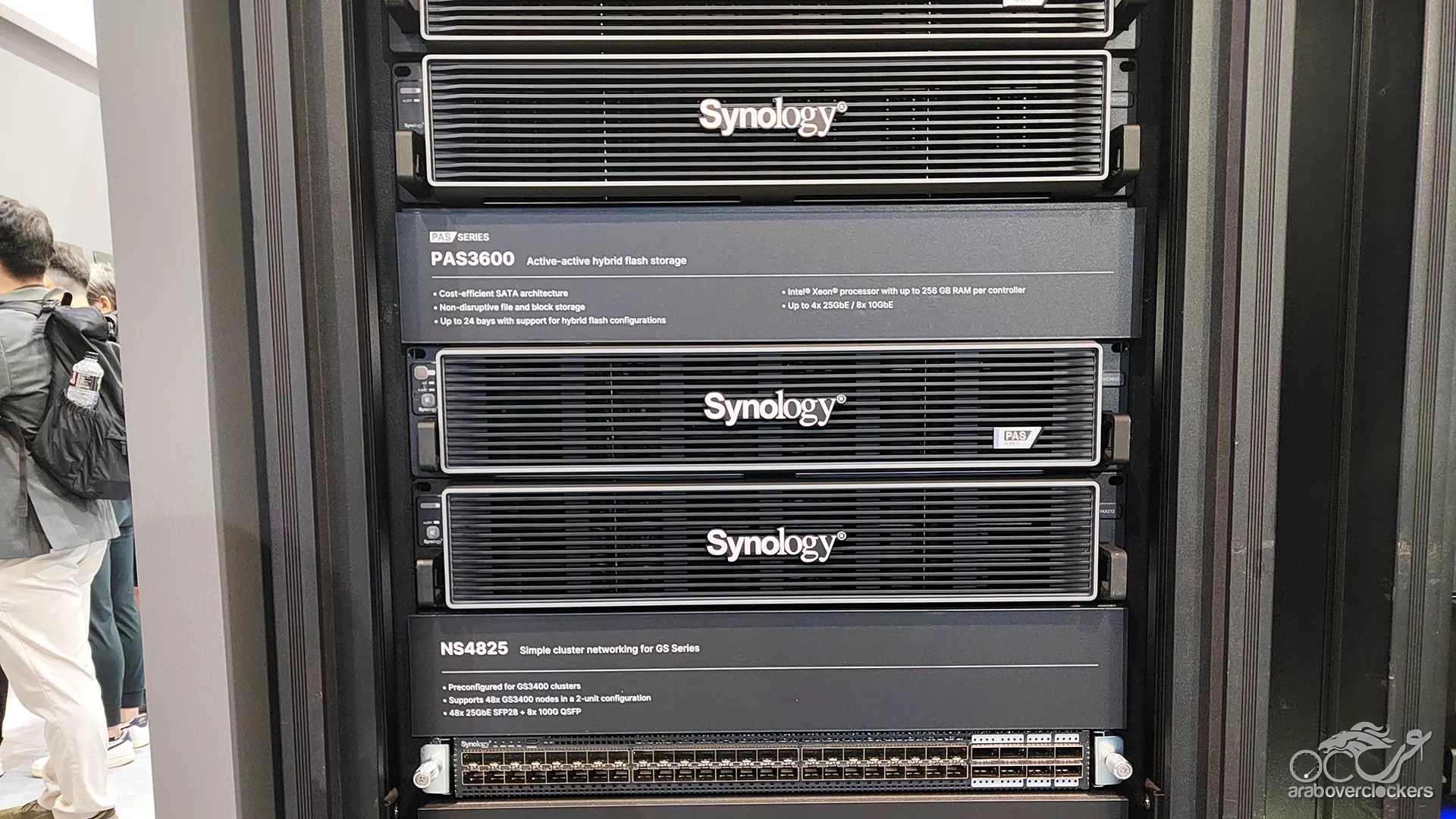
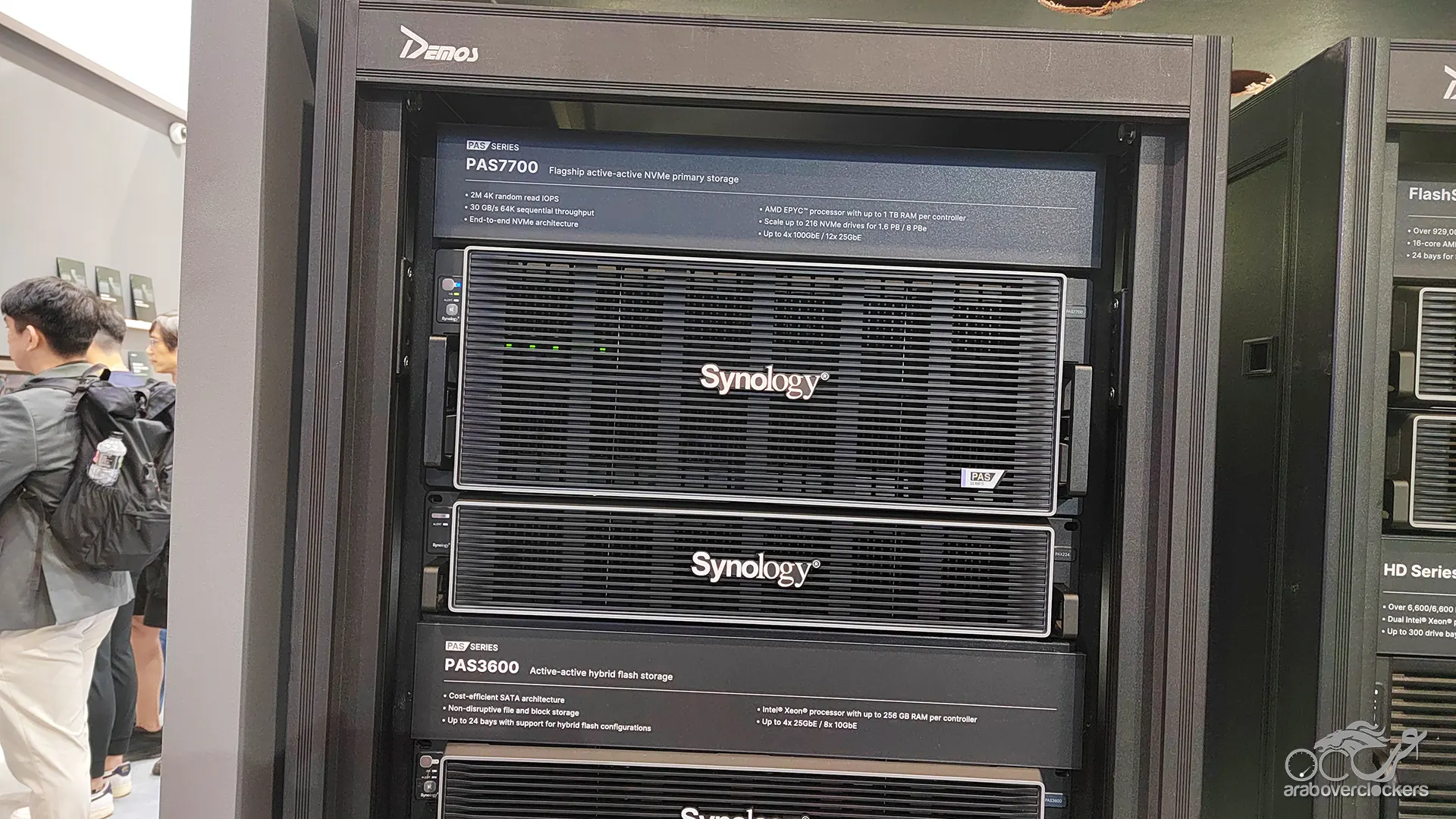
These specifications place it directly in competition with enterprise offerings from Dell, HPE, NetApp, and Pure Storage.
However, PAS7700 was not the only major announcement. Synology also introduced the GS Series, capable of delivering more than 15PB of protected storage through a distributed storage architecture.
What makes the GS Series particularly significant is that it represents Synology’s first true entry into the scale-out storage market after years of focusing on scale-up architectures. This move reflects the company’s ambition to compete in modern data center environments and large-scale cloud infrastructures.
Combined, PAS7700 and GS Series demonstrate that Synology’s enterprise aspirations are no longer theoretical. The company is actively expanding beyond SMB markets and positioning itself for larger enterprise deployments.
Surveillance 2026: Physical Security Meets Artificial Intelligence
Synology’s ambitions extend well beyond storage and data protection.
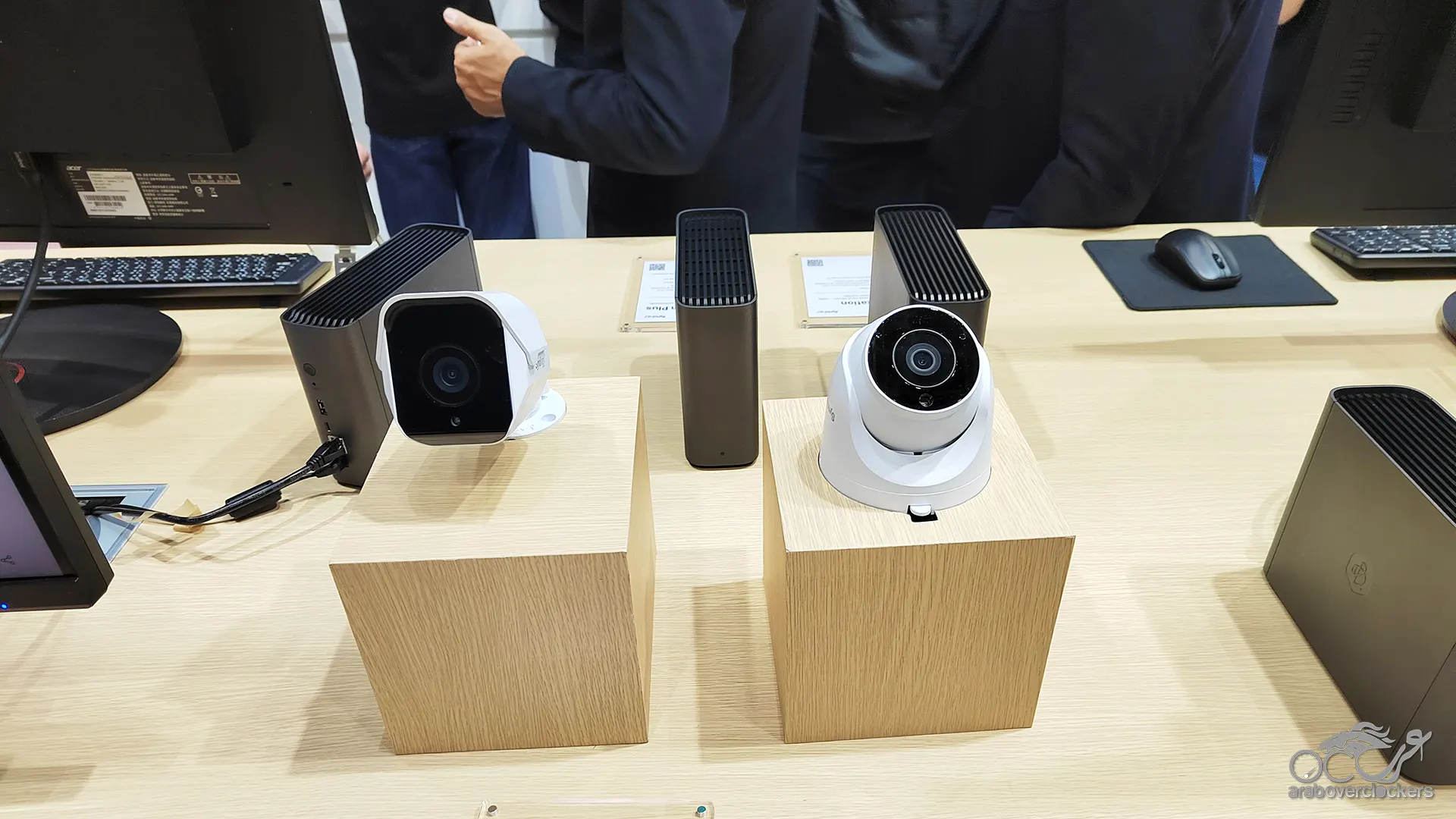
At COMPUTEX 2026, the company showcased the latest generation of Surveillance Station 10 alongside the new Surveillance365 cloud platform, access control systems, identity readers, and intelligent security cameras.
Among the most impressive technologies on display were Deep Video Analytics capabilities powered by AI. These solutions enable semantic video search, person and vehicle tracking, and automated pattern analysis across surveillance footage.
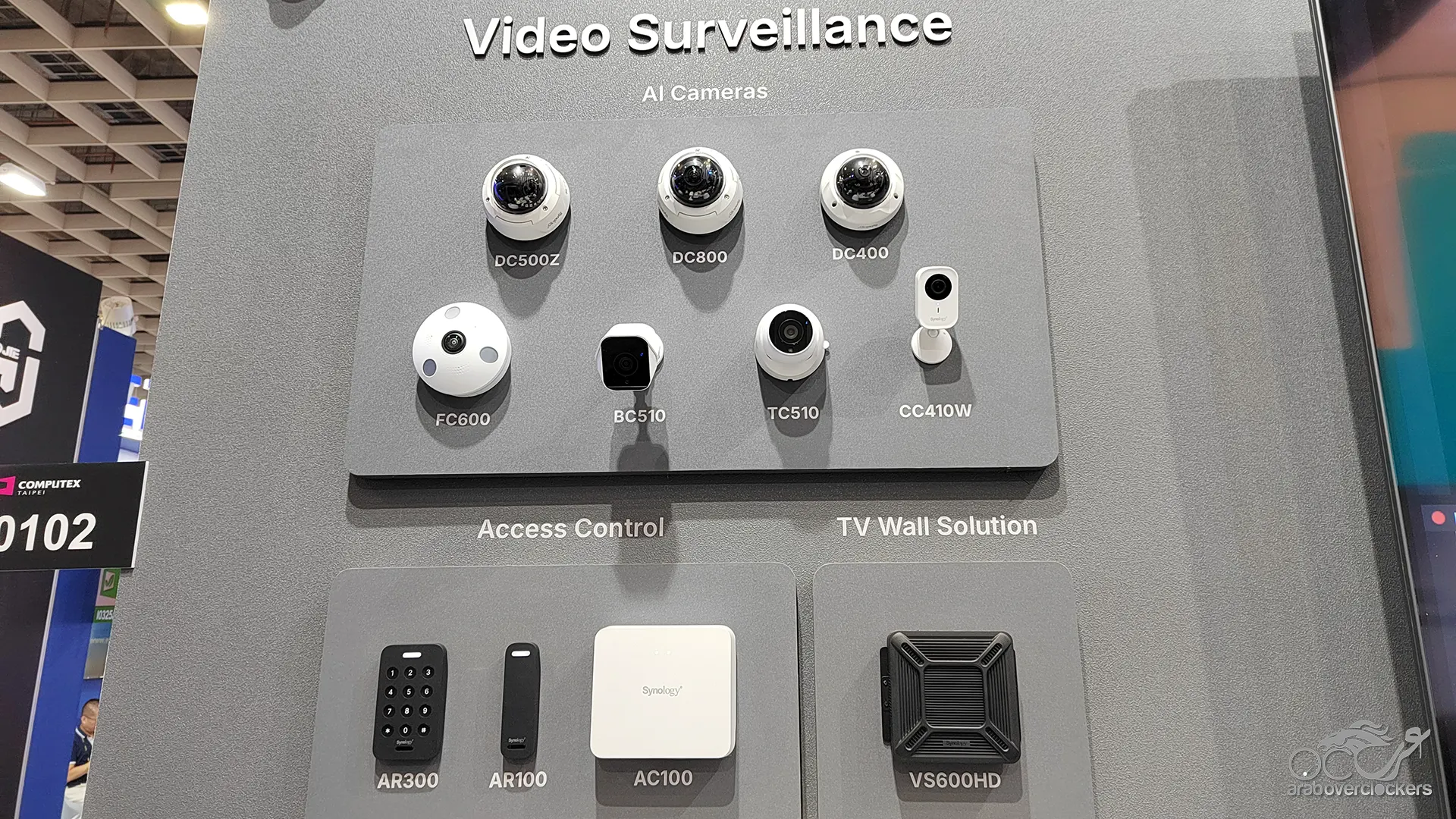
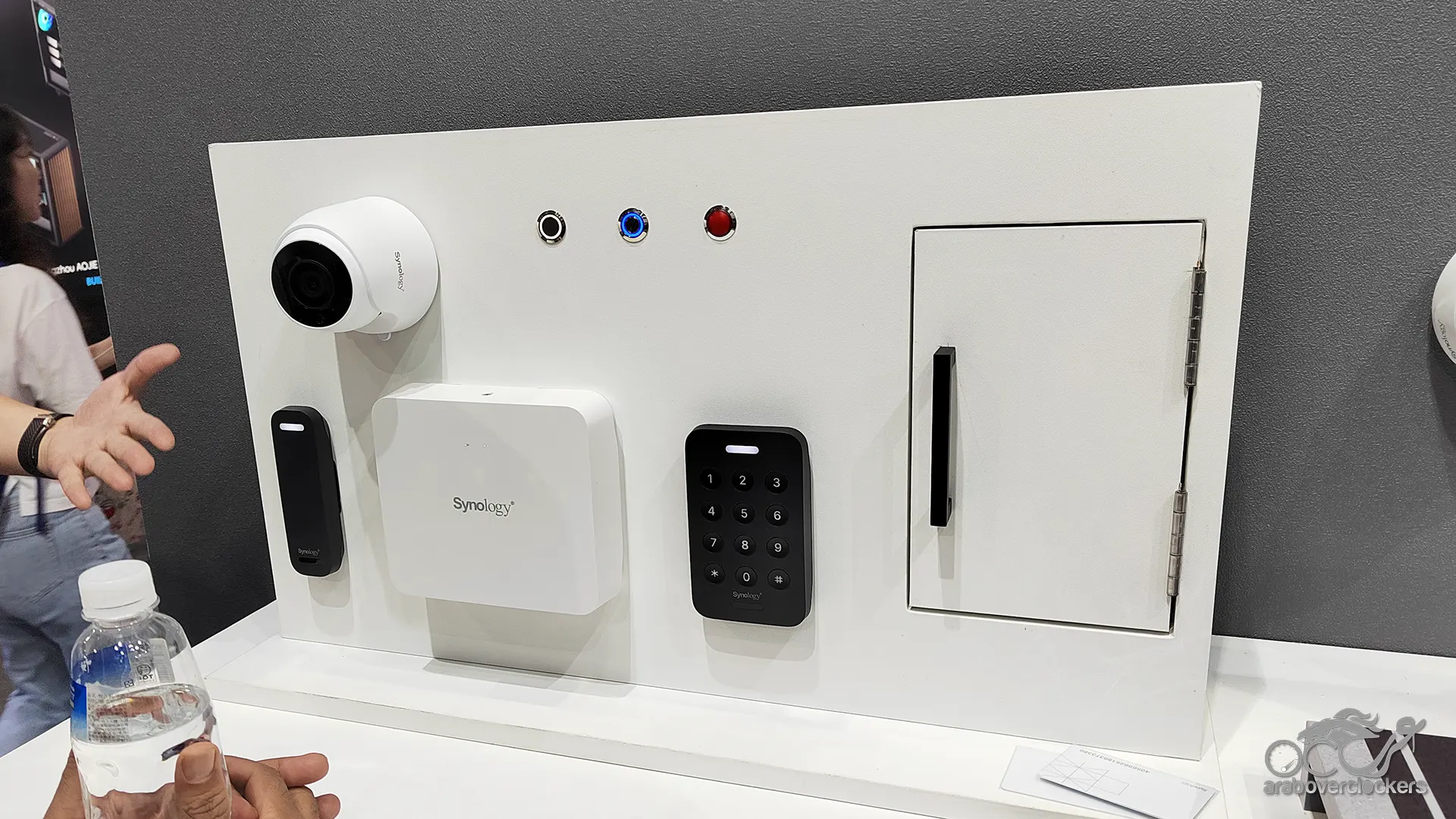
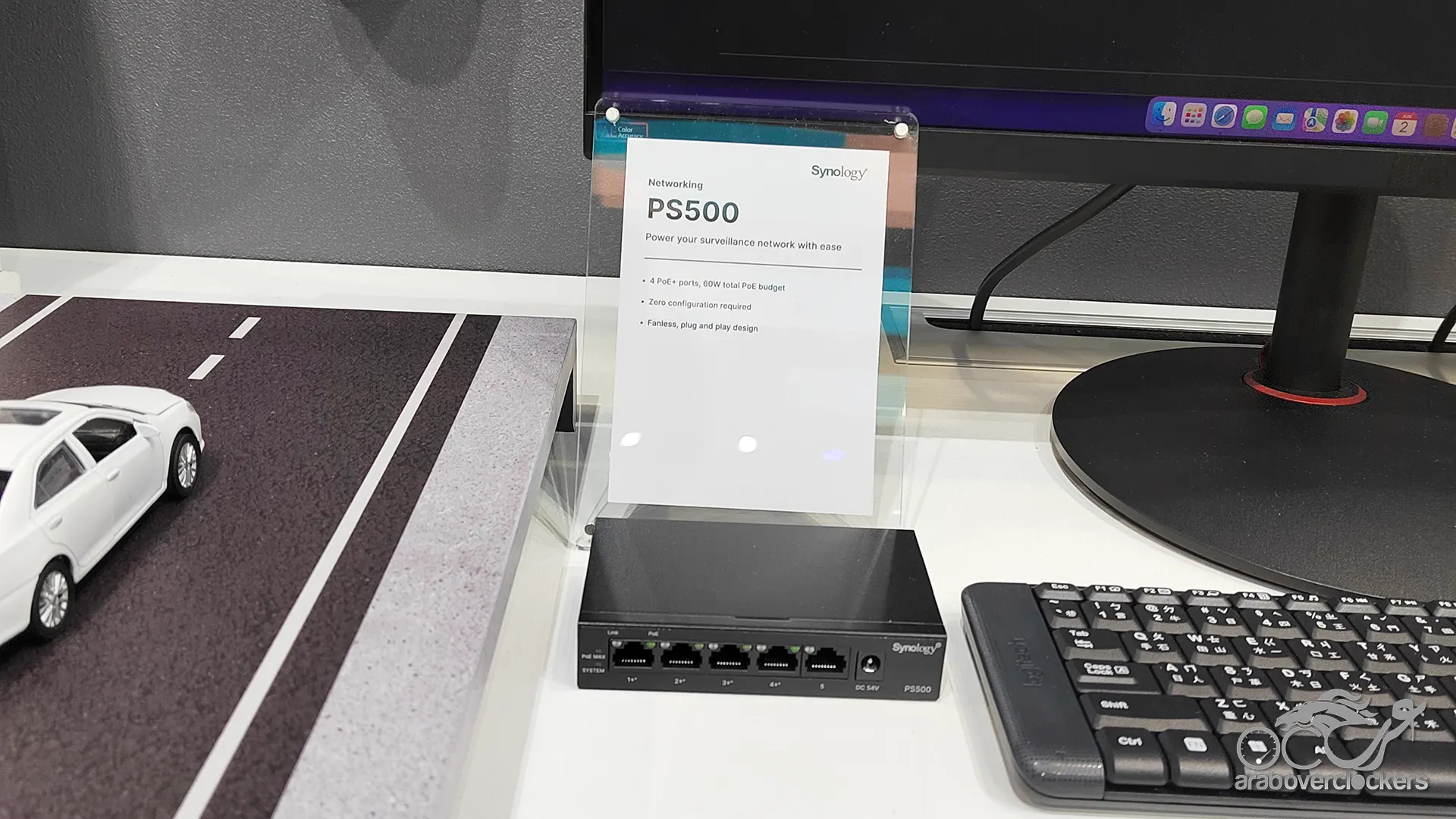
The broader objective is clear: to create a unified security platform that combines storage, analytics, monitoring, and management within a single ecosystem.
As organizations increasingly seek integrated security solutions, Synology appears determined to position itself as more than just a storage vendor, evolving instead into a comprehensive security infrastructure provider.
BeeStation and BeeCamera: Bringing AI to Consumers
Despite its growing focus on enterprise markets, Synology has not forgotten home users.
The company introduced the latest generation of BeeStation with increased capacity and memory, alongside BeeCamera, which integrates directly into Synology’s personal cloud ecosystem.
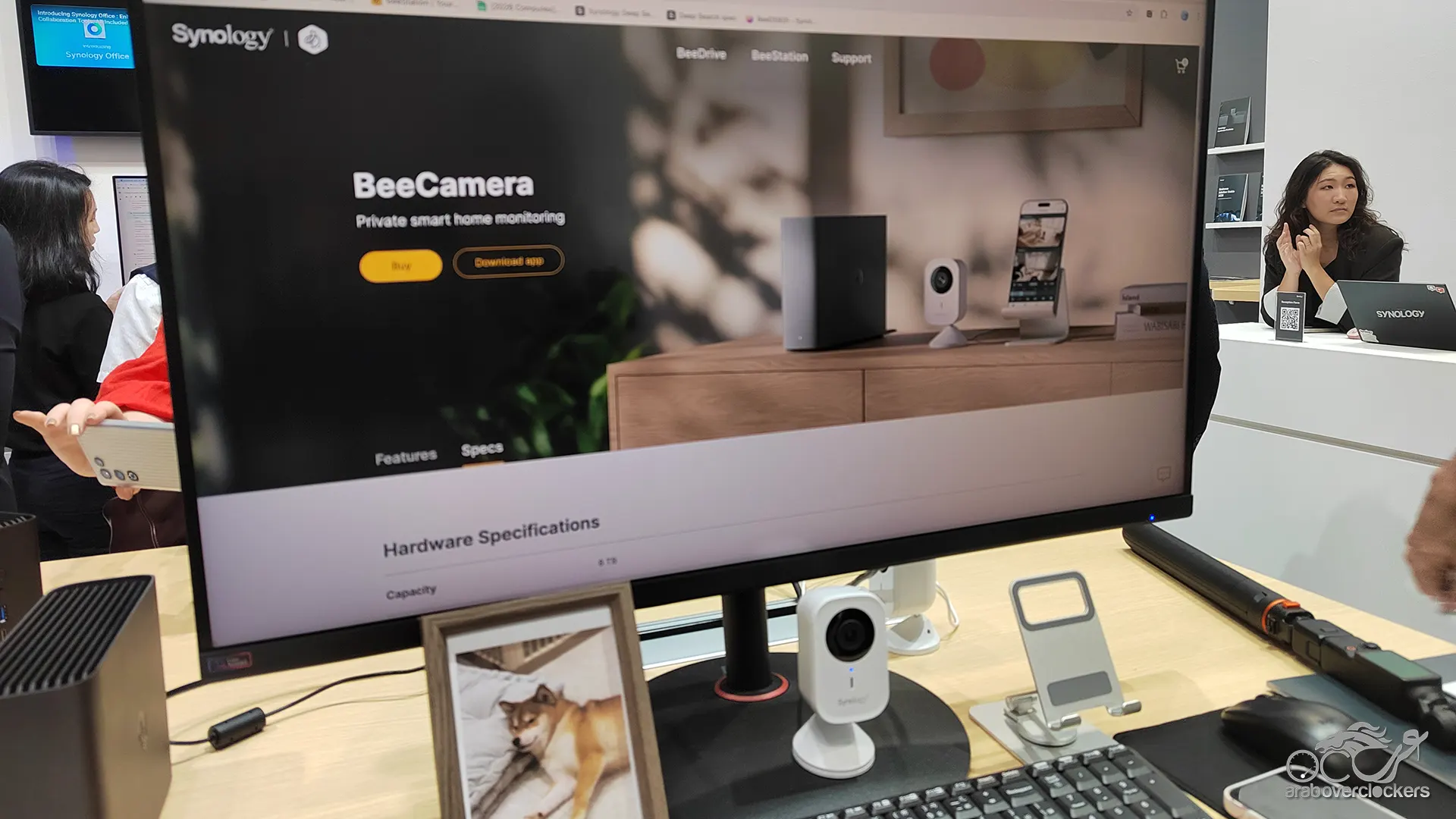
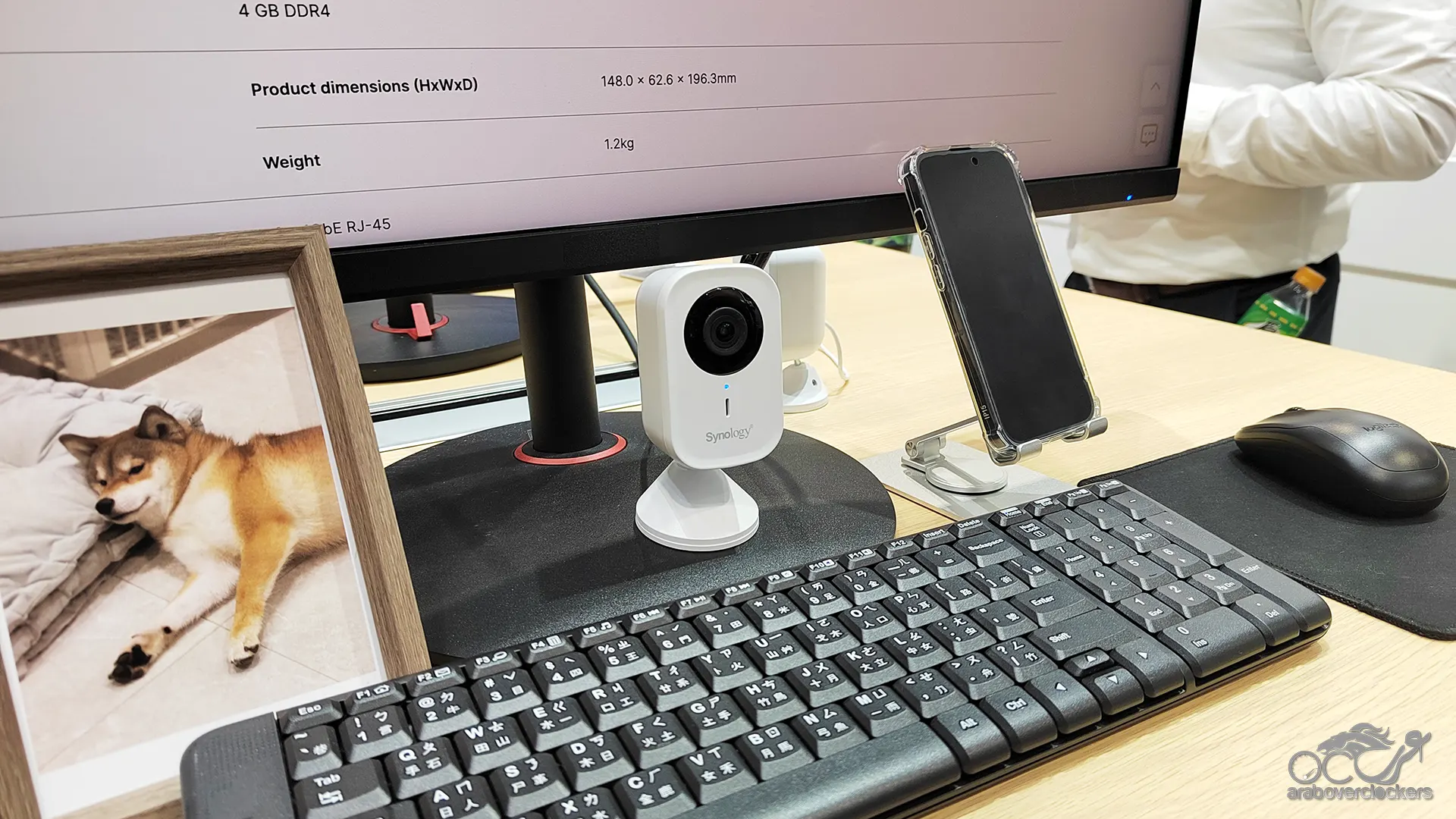

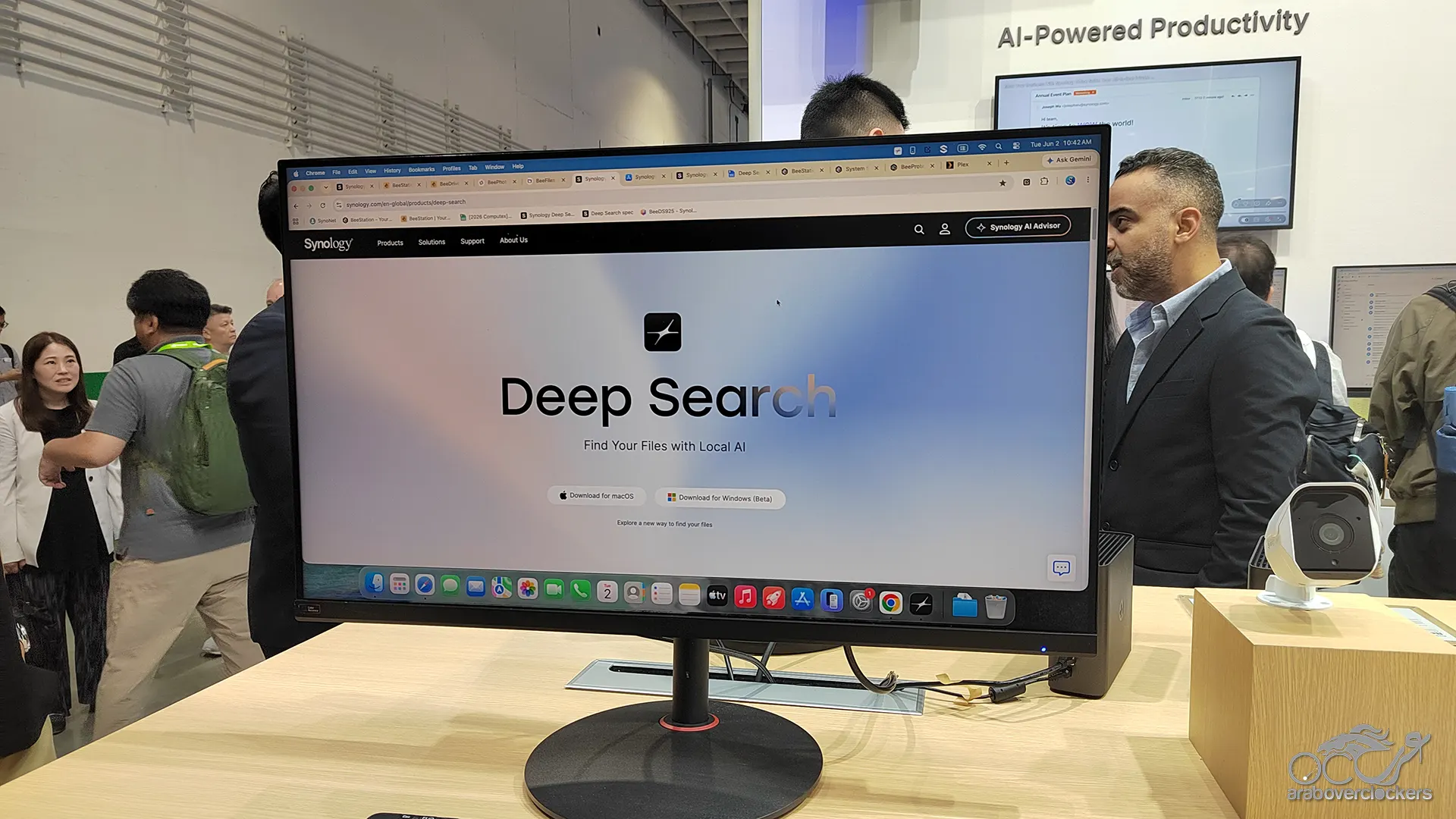
One of the most interesting consumer-focused innovations was Deep Search, an AI-powered feature that allows users to search photos and files stored locally while preserving complete privacy. Unlike many cloud-based services, the technology does not require user data to be uploaded to external servers.
These products reflect a broader trend toward personal cloud solutions that combine the convenience of modern cloud services with the privacy advantages of local ownership.
The Middle East: A Strategic Growth Market
One of the most noteworthy points raised during the interview with Mike Chen was the company’s strong growth across the Middle East.
According to Chen, most markets in the region are currently experiencing growth rates exceeding 30%. He attributes this momentum to ongoing digital transformation initiatives, investments in cloud infrastructure and data centers, and increasing interest in data sovereignty and localization strategies.
Chen also highlighted Synology’s efforts to encourage organizations throughout the region to build private cloud environments based on NAS infrastructure, noting that demand for these solutions continues to rise year after year.
As governments and enterprises across the Middle East invest heavily in digital infrastructure, the region is becoming an increasingly important component of Synology’s long-term growth strategy.
Conclusion
Synology’s presence at COMPUTEX 2026 represents one of the most significant transformations in the company’s history.
What visitors witnessed inside the booth was far more than a collection of faster storage devices or larger capacity systems. It was a comprehensive vision for the future of data management, protection, and utilization.
From the next-generation DSM platform and Private AI initiatives to ActiveProtect 2.0, PAS7700, GS Series, intelligent surveillance systems, and personal cloud solutions, Synology is steadily evolving from a NAS-focused company into a complete digital infrastructure provider.
The central message behind every announcement was remarkably consistent: data should remain under the control of its owners.
In an industry increasingly dominated by public cloud services and centralized AI platforms, Synology is pursuing a different path one built around data sovereignty, privacy, and locally controlled artificial intelligence.
If the company succeeds in executing this vision as effectively as it presented it at COMPUTEX 2026, it may be entering one of the most important growth phases in its history and positioning itself as a far more influential player in the global digital infrastructure market.